Camping in Yellowstone: Essential Gear for Variable Weather
Camping in Yellowstone: Essential Gear for Variable Weather
Camping in Yellowstone means packing gear for weather that can swing 40°F in a single day. You might cook breakfast in 35°F frost, hike in 75°F sun, and watch a thunderstorm roll in by dinner. This guide gives you the exact camping gear Yellowstone weather demands, plus the best campgrounds and local tricks to make your Wyoming trip unforgettable.
Why Yellowstone Is Perfect for Camping
Yellowstone spans 2.2 million acres across Wyoming, Montana, and Idaho, with elevations from 5,200 to 7,700 ft. You get 12 campgrounds, geysers, and wildlife — bison, elk, grizzlies — right outside your tent.
Preparation matters in bear country: Yellowstone campground reservations open 13 months ahead and sell out fast, so plan early — especially for June through September, the best time to camp in Yellowstone.
The Yellowstone Climate Challenge
Yellowstone weather by month surprises first-timers. Summer days reach 70–80°F, but nights drop to 30–40°F even in July. Afternoon storms hit almost daily in midsummer; high-elevation snow is possible in spring and fall.
At 7,000+ ft, UV intensity rises roughly 15%, so sunburn happens fast. Typical monthly ranges:
- June: 40–70°F, lingering snow at high passes
- July: 45–80°F, daily 2–4 PM storm risk
- August: 40–78°F, dry and busy
- September: 30–65°F, frosty mornings, fewer crowds

Essential Gear for Yellowstone Camping
Your Yellowstone camping packing list should revolve around two strategies: a layering system for camping and serious rain protection. Here's what experienced Wyoming campers carry.
Gear for Cold Nights and Temperature Swings
Dress in three layers: a wicking base, an insulating mid-layer, and a windproof shell — REI's layering basics guide explains the system well. Master the 3-layer system for cold-weather hiking before you go.
Sleep in a cold weather sleeping bag rated to 20°F with a thermal sleeping pad (R-value 4+). For frosty 35°F dawns by the lake, the Finvizo fleece balaclava and a warm neck gaiter keep your face comfortable.
Gear for Rain and Sudden Storms
Pack a waterproof tent with rainfly, a footprint groundsheet, and a pack cover. Quick-dry clothing beats cotton every time when storms soak you at 3 PM.
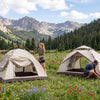
A quality 3-season tent is enough for June if it has a full rainfly and sturdy poles. Consider a pop-up camping tent with a full rainfly for sudden storms so you can shelter fast.
Gear for Rugged Terrain and High Altitude
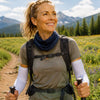
High altitude camping gear starts with sun protection: a cooling neck gaiter for high-altitude sun protection, UV sleeves, and a brimmed hat. Add trekking poles and a 45–50L pack for day hikes.
Bear spray in Yellowstone is non-negotiable — carry it on your hip, not in your pack. Every campground provides bear-proof food storage boxes; use them for anything with a scent.

Top 5 Camping Spots in Yellowstone
All 12 park campgrounds are detailed on the National Park Service campground page. These five are local favorites:
- Madison Campground — riverside sites near the West Entrance; famous for frosty mornings even in August.
- Canyon Campground — family-friendly base near the Grand Canyon of the Yellowstone.
- Grant Village Campground — the largest site, on Yellowstone Lake's breezy shore.
- Bridge Bay Campground — lake views and boating; nights run bitterly cold, so pack that 20°F bag.
- Slough Creek (Lamar Valley) — remote, first-come sites and America's best wolf watching at dawn.

Local Tips from Yellowstone Veterans
Set up camp before 2 PM so afternoon storms don't catch you half-pitched. Stash all food and scented gear in the bear lockers — rangers fine violators.
Wake at 5:30 AM for the best wildlife viewing in Lamar and Hayden Valleys. Book on Recreation.gov exactly 13 months out, carry paper maps and cash, and run through our full camping gear usage checklist before you pack.
Packing Checklist for Yellowstone
Use this Yellowstone camping packing list to cover every base before you leave home:
- Sleep: 20°F sleeping bag, R-value 4+ pad, fleece liner
- Clothing: wicking base layers, insulating mid-layer, rain shell, warm hat
- Kitchen: camp stove, fuel, cooler sized for bear lockers
- Safety: bear spray, first-aid kit, sunscreen, headlamp, paper map
- Water: filter or purification tablets for backcountry sites
FAQ
What gear do I need for camping in Yellowstone in summer?
Focus on three groups: a layered clothing system for 30–80°F swings, a 20°F sleeping bag with an insulated pad, and rain protection (rainfly tent, pack cover, quick-dry layers). Add bear spray, sun protection, and a cooler that fits in bear lockers.
How cold does it get at night in Yellowstone campgrounds?
Expect 30–40°F on summer nights, with frost common in June and September at higher campgrounds like Bridge Bay and Madison. Record lows dip into the 20s°F, so a cold weather sleeping bag is essential even in July.
Is a 3-season tent warm enough for Yellowstone in June?
Yes, if it has a full-coverage rainfly and aluminum poles that handle wind. Pair it with a 20°F bag and an R-value 4+ pad. A 4 season tent is only necessary for early-spring or late-fall trips with snow in the forecast.
Do I need bear-proof food storage when camping in Yellowstone?
Yes — it's required by park rules. Use the steel bear boxes at every developed campsite for all food, toiletries, and trash. In the backcountry, carry bear spray and hang food or use an approved bear canister.
Explore Yellowstone with Finvizo
Variable Yellowstone weather rewards campers who pack smart. The right camping gear turns 40°F swings from a survival test into the best trip of your year. Browse the Finvizo full collection for one-stop Yellowstone gear — tents, backpacks, gaiters, and warm layers built for places exactly like this.
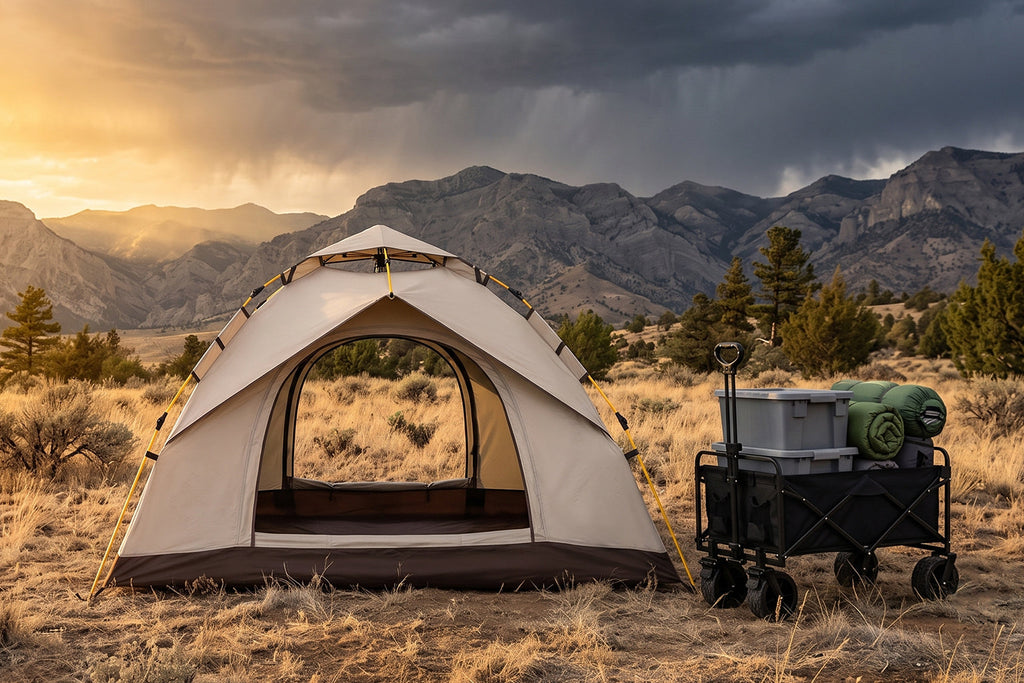
One more veteran trick: a heavy-duty folding wagon for hauling gear from parking lot to campsite saves your back at walk-in sites. Load it once, roll it in, and spend your energy on the trail instead.
Related Guides:
- The History of Camping in America: From Wilderness to Glamping
- 10 Underrated Camping Destinations in the US You Haven't Tried
- Hiking Backpack Size Guide

Written by Vivian J
Product Manager at Finvizo and an avid camper who tests gear on real trails. She writes from hands-on field experience to help you pick equipment that actually holds up outdoors.