camping gear weather resistance guide
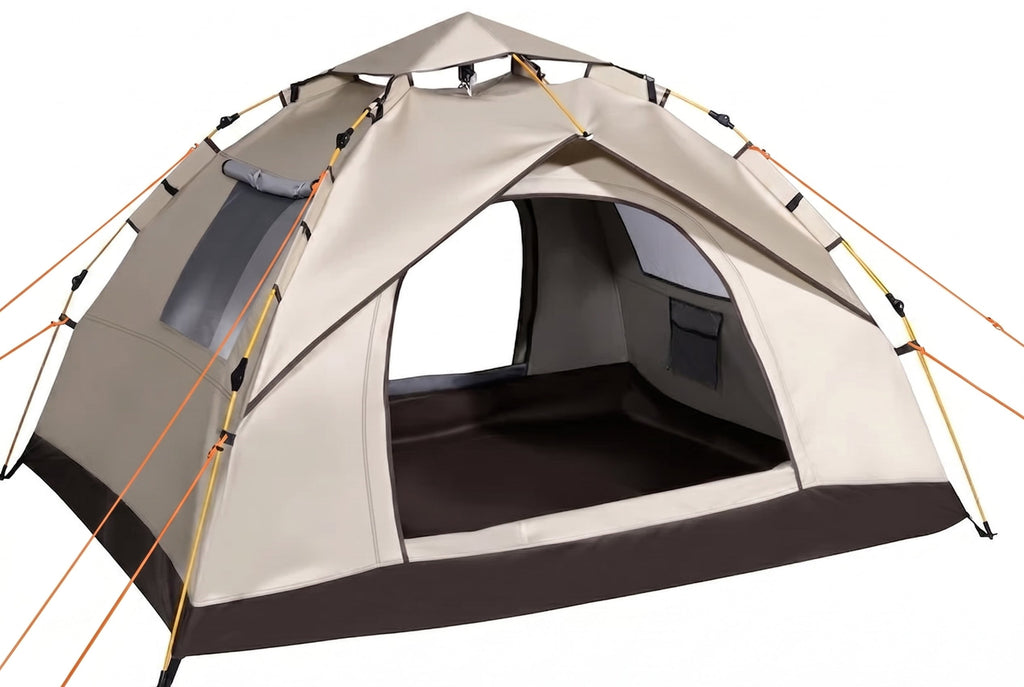
Weather resistance in camping gear involves more than waterproof ratings or wind speed claims—it requires systems that maintain functionality when multiple weather factors interact over extended periods. Many products perform adequately in isolated weather tests but fail when faced with real-world combinations of precipitation, wind, temperature fluctuations, and humidity that characterize actual camping conditions. This guide examines how gear manages these interacting weather elements across different environmental scenarios.
Evaluate water management systems under sustained precipitation rather than brief exposure
Water resistance testing often involves short exposure to controlled conditions, but camping gear must handle prolonged wet weather with varying intensity. Test how shelters manage not just waterproofness but also condensation buildup during multi-day rainy periods when ventilation becomes challenging. Examine how sleeping systems maintain insulation performance when humidity remains high for consecutive days, not just during brief showers. Check whether storage solutions protect contents through extended damp conditions when gear cannot be properly dried between uses. The most effective water management addresses both direct precipitation and the secondary moisture issues that develop during sustained wet weather when drying opportunities are limited.
Assess wind performance across changing directions and gust patterns
Static wind resistance ratings provide limited information about how shelters and equipment handle real wind conditions that shift direction, vary in intensity, and create complex pressure differentials. Test shelters in locations where wind channels between obstacles or accelerates over terrain features, not just open areas with consistent flow. Evaluate how structures handle gust patterns that create sudden loading changes rather than steady pressure. Check whether guyline systems and stake placements provide stability when winds shift direction overnight, requiring different reinforcement than initial setup anticipated. Effective wind management accommodates these dynamic conditions rather than just withstanding unidirectional airflow at constant velocity.
Verify temperature regulation across diurnal cycles and weather transitions
Many products maintain temperature performance under stable conditions but struggle during the rapid changes common in outdoor environments. Test sleeping systems not just at target temperatures but during the cooling and warming periods that occur as night falls and morning arrives. Evaluate how shelters manage interior temperatures when external conditions shift from daytime warmth to nighttime chill, particularly when precipitation or humidity complicates ventilation needs. Check whether clothing systems provide adequate adjustment range as activity levels change throughout the day while weather conditions also evolve. Effective temperature regulation maintains comfort across these transitions rather than just at specific temperature points.
Test material performance under combined weather stressors
Individual weather factors often occur simultaneously, creating combined effects that exceed the sum of isolated challenges. Evaluate how fabrics and constructions handle wind-driven rain that forces moisture through seams and zippers in ways that gentle precipitation does not. Test whether UV exposure during dry periods affects subsequent water resistance when rain eventually arrives. Check how freezing temperatures impact material flexibility and water resistance when followed by thawing conditions. These combined stressors reveal weaknesses that single-factor testing misses, showing how gear performs when weather presents multiple challenges simultaneously rather than in isolation.
Examine how designs manage weather-related operational challenges
Weather affects not just protection but also how easily you can operate and maintain gear during adverse conditions. Test whether zippers, fasteners, and adjustment systems remain functional when frozen, soaked, or coated with blowing sand or dust. Evaluate how easily you can perform essential tasks like setting up shelters, accessing stored items, or preparing meals while managing wind, precipitation, or temperature extremes. Check whether maintenance requirements—like reapplying water repellent treatments or cleaning ventilation systems—remain practical under field conditions when weather limits drying time and workspace. Designs that remain operable and maintainable despite weather challenges prove more reliable than those that protect adequately but become difficult to use when conditions deteriorate.