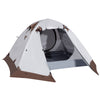
camping gear portability considerations

Portability in camping gear involves more than weight and packed size—it requires systems that maintain functionality while moving between locations, adapt to changing transportation methods, and integrate efficiently with other equipment. Many products optimize for minimal metrics but fail in practical portability when used across real-world travel scenarios. These considerations focus on how gear performs during actual movement rather than just static measurements.
Evaluate how packed configurations affect accessibility during transit
Gear often needs access during travel, not just at final destinations. Test whether packed arrangements allow retrieving specific items without unpacking everything—can you reach rain layers during a sudden storm while hiking, or access cooking fuel during a roadside stop without disrupting carefully organized loads? Check how compression systems handle partial unpacking and repacking when conditions change mid-journey. The most portable designs maintain organization and protection even when frequently accessed during movement rather than only functioning when packed perfectly for direct transport between endpoints.
Assess weight distribution and balance across different carrying methods
Weight matters less than how it distributes across your body or vehicle during actual movement. For backpacks, test how loads feel after hours of hiking across varied terrain, not just initial fitting. With vehicle transport, evaluate whether gear arrangements create awkward weight distributions that affect handling or require constant repositioning. Check how weight shifts during different activities—climbing steep sections, navigating obstacles, or transitioning between transportation modes. Portable systems maintain stability and comfort throughout movement rather than just meeting static weight targets.
Verify durability during transportation stress beyond normal use
Gear experiences different stresses during transportation than during campsite use. Test how materials and constructions handle vibration during vehicle travel, compression under other gear in storage compartments, and impact from loading/unloading processes. Check whether protective cases or storage solutions actually prevent damage during transit or merely organize items for stationary conditions. Portable designs withstand the unique abrasion, compression, and impact forces of movement between locations rather than just the stresses of campsite use.
Examine how quickly and easily systems transition between packed and ready states
Portability includes time and effort required to prepare gear for movement and make it usable upon arrival. Time how long it takes to properly pack systems for transport versus simply stuffing items into available space. Test whether packed configurations require extensive reorganization before use at new locations. The most portable systems minimize these transition efforts through intuitive packing methods, logical organization, and designs that naturally assume both transport and ready configurations without extensive adjustment.
Consider how portability affects overall trip efficiency and enjoyment
The ultimate test of portability is whether moving gear enhances or diminishes your overall experience. Evaluate whether transportation requirements limit your flexibility in choosing destinations or activities. Check if portability compromises come at the cost of essential functionality when you reach your destination. The best portable systems reduce the burden of movement without forcing significant compromises in performance during actual use, creating net positive effects on your overall camping experience rather than merely minimizing weight or volume metrics.