camping gear outdoor suitability guide
Outdoor suitability for camping gear depends on how well equipment handles the specific environmental conditions, activity demands, and practical realities of your actual destinations rather than generic performance ratings. Many products claim universal capability but reveal significant limitations when faced with particular terrain types, weather patterns, or usage scenarios common to specific outdoor settings. This guide focuses on matching gear characteristics to the distinct challenges presented by different camping environments.
Match shelter designs to the specific weather patterns of your destination areas
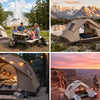
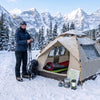
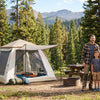
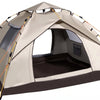
Shelters that perform well in one environment often prove inadequate in others due to subtle design differences that matter under particular conditions. For coastal areas with persistent salt air and moisture, evaluate how fabrics and coatings resist corrosion and maintain water resistance despite constant humidity. In alpine environments with rapidly changing conditions, check how quickly shelters transition between ventilation and storm protection modes as weather shifts. Desert camping requires materials that withstand intense UV exposure without degrading and designs that manage dramatic temperature swings between day and night. Forest environments need shelters that handle constant leaf litter, sap, and moisture without developing mold or material damage. The most suitable shelters address the predominant challenges of your specific destinations rather than offering generalized performance.
Select sleeping systems based on temperature management rather than simple ratings
Temperature ratings provide starting points, but actual sleeping comfort depends on how systems manage heat retention, moisture transfer, and insulation consistency across the conditions you actually experience. For humid environments, prioritize sleeping bags with effective moisture management that prevents dampness from compromising insulation performance throughout the night. In dry climates with dramatic temperature drops after sunset, focus on systems that provide consistent warmth as temperatures plunge rapidly. Coastal conditions require insulation that maintains loft despite salt air exposure and occasional condensation. Mountain environments need sleeping pads with sufficient R-values for cold ground transfer and bags that handle temperature fluctuations caused by altitude changes. These environmental factors determine sleeping comfort more than standardized ratings developed under controlled laboratory conditions.
Choose cooking equipment suited to local fuel availability and weather challenges
Cooking systems must match both the fuels available in your destination areas and the typical weather conditions you encounter there. In regions with frequent fire restrictions, evaluate stove reliability with alternative fuel types that remain legal during restrictions. For high-altitude destinations, verify that stoves maintain consistent performance with reduced oxygen levels and lower boiling points. Coastal camping requires corrosion-resistant materials that withstand salt air exposure without compromising functionality. Desert environments need cooking systems that perform reliably in sandy conditions without clogging and in high winds without flame instability. The most suitable cooking equipment addresses both the practical realities of meal preparation and the specific challenges presented by your regular camping locations.
Optimize storage and organization for the transportation realities of your destinations
How you reach your campsites significantly impacts which storage solutions prove practical and which create unnecessary complications. For destinations requiring substantial hiking, prioritize weight distribution and accessibility within packs rather than maximum capacity. Water-based access points need waterproof protection that handles occasional splashes and humidity without compromising organization. Road-accessible sites allow different optimization focused on quick unpacking and convenient access rather than ultra-compact packing. Remote locations with limited resupply options require storage that protects provisions from pests, moisture, and temperature fluctuations across multiple days. Suitable storage systems address the specific transportation and access methods of your destinations rather than offering one-size-fits-all solutions.
Select footwear and clothing systems based on terrain and activity patterns
Footwear and clothing suitability depends heavily on the specific terrain features and activity levels of your destinations rather than general outdoor recommendations. Rugged trails with frequent stream crossings require different footwear characteristics than sandy desert paths or forest floors with constant root systems. Clothing systems must manage the particular moisture, temperature, and sun exposure patterns of your environments—high humidity areas need different moisture management than arid regions, even at similar temperatures. The most suitable choices address the predominant surfaces, obstacles, and environmental conditions you actually encounter rather than theoretical worst-case scenarios or generalized outdoor conditions.