camping gear usage in different seasons
Following the foundational principles for beginners and the focus on practical application, adapting your camping gear and its usage across different seasons is a critical skill for comfort, safety, and enjoyment. The core philosophy shifts from a single, general-purpose approach to a modular and conditional strategy, where gear selection and techniques are tailored to address the specific environmental challenges of each season. This involves understanding how temperature, precipitation, and daylight impact everything from your sleep system to your cooking routine.
Spring: Managing Transitional Conditions and Moisture
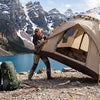
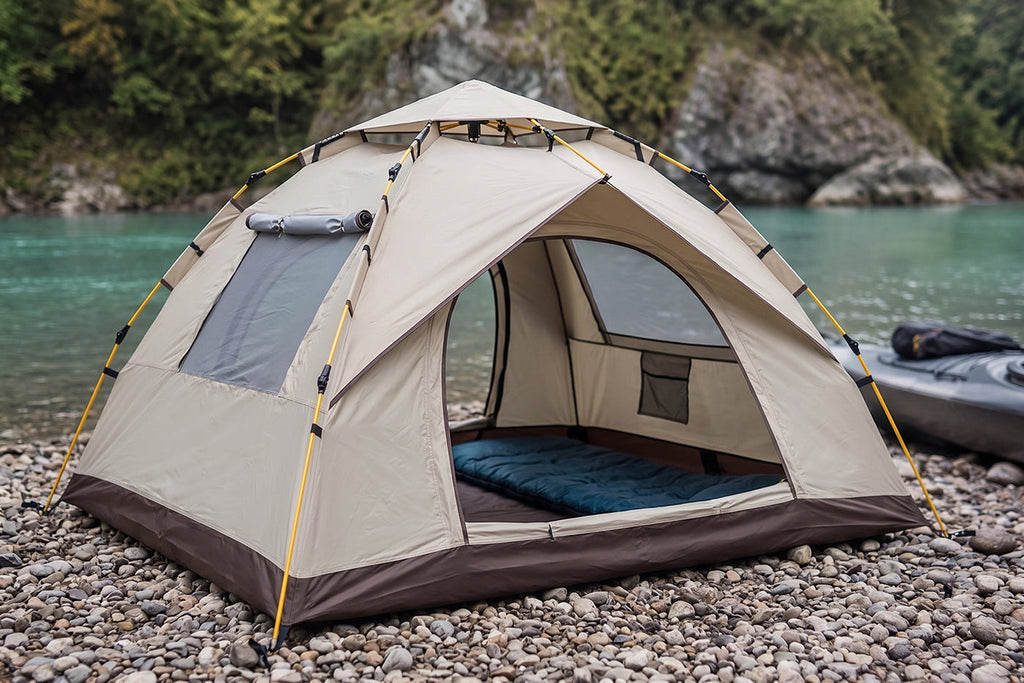
Spring camping presents a mix of lingering cold, rain, and warming trends. Your gear usage must prioritize moisture management and insulation flexibility. A three-season tent with a full-coverage rainfly and excellent ventilation is crucial to combat condensation from cool, damp air. Use a sleeping bag rated 10-20 degrees Fahrenheit below the expected nighttime low and pair it with an insulated sleeping pad (R-value of 3 or higher) to counter the still-chilly ground. Layered clothing is key; employ a moisture-wicking base layer, a warm insulating layer like fleece, and a waterproof, breathable shell. Focus on keeping gear dry—use pack liners and quick-dry towels. Footwear should be waterproof hiking boots, and gaiters can be invaluable for wet grass and mud. Your cooking system should be reliable in damp conditions, and a reliable headlamp is essential for shorter days that can still end with an unexpected, chilly dusk.
Summer: Prioritizing Ventilation, Hydration, and Sun Protection
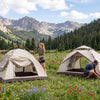
Summer gear usage revolves around heat management, insect protection, and hydration. Ventilation becomes the primary concern for your shelter. Opt for a tent with ample mesh panels, and consider using just the rainfly and footprint for a stargazing setup on clear nights. A lightweight sleeping bag or even a sleeping bag liner may suffice. Your sleeping pad's R-value can be lower (around 2). Sun protection is non-negotiable: a wide-brimmed hat, UV-protective clothing, and sunscreen are essential gear. A hydration system (bladder or multiple water bottles) and a way to purify additional water are critical due to increased sweat loss. Lightweight, breathable, and light-colored clothing is ideal. Your food planning should account for heat; avoid heavy, perishable items. A battery-powered fan can be a luxury that significantly increases tent comfort on still, hot nights.
Autumn: Preparing for Rapid Temperature Shifts and Shorter Days
Autumn requires preparation for a wide temperature range from mild days to freezing nights. Your sleep system needs to handle this swing; use a sleeping bag suitable for the coldest expected temperature and a pad with an R-value of 4 or higher. Layering is again essential, but with an emphasis on versatile, warm layers like a down or synthetic jacket. The tent should have a robust rainfly for potential storms and good ventilation to manage condensation from the cool, moist air. Lighting is crucial as days shorten—ensure headlamps and lanterns have fresh batteries. Your cooking routine should account for the pleasure of a warm meal at the end of a crisp day. Be prepared for early frost; keep water filters from freezing overnight by storing them in your sleeping bag.
Winter: Emphasizing Extreme Insulation and System Redundancy
Winter camping demands specialized gear and rigorous systems. A four-season or mountaineering tent designed to handle snow load and high winds is mandatory. The sleep system is paramount: use a sleeping bag rated for sub-zero temperatures and pair it with a high-R-value (5+) insulated sleeping pad, often combining an inflatable pad with a closed-cell foam pad for redundancy. All clothing must be synthetic or down-based, avoiding cotton entirely. A waterproof, insulated boot system and multiple sock layers are critical. Your stove must be reliable in freezing temperatures; white gas stoves often outperform canister stoves in the cold. Melt snow for water, but always start with a liquid water base in your pot to prevent scorching. Every piece of gear, from electronics to fuel, must be managed to prevent freezing. Efficiency and safety are the only priorities, as margin for error is minimal.