camping gear purchasing checklist
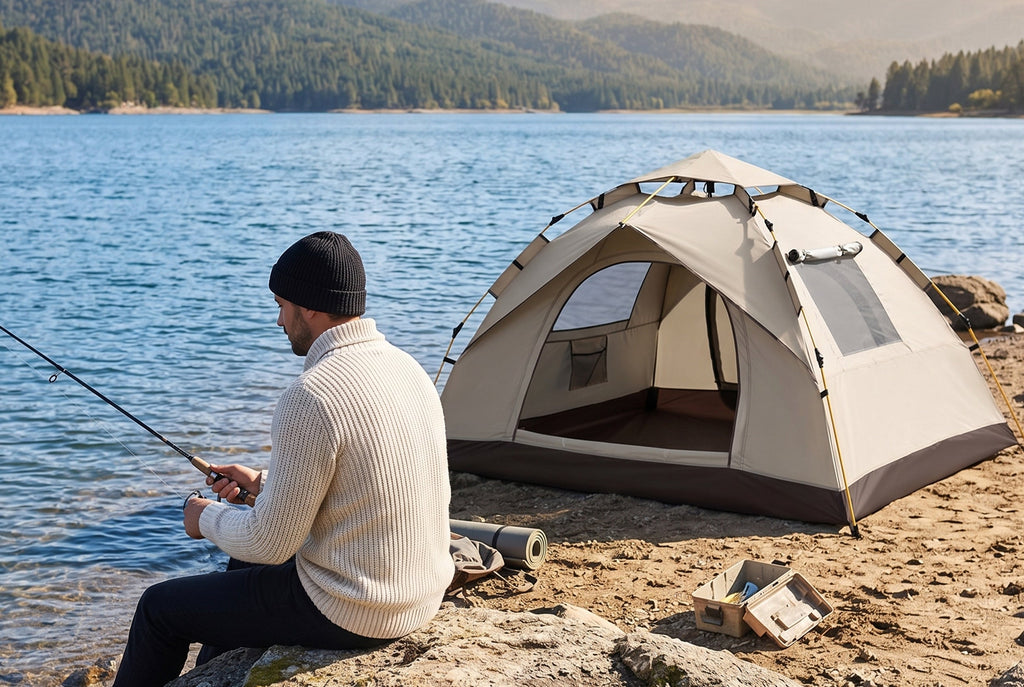
Building a solid camping gear setup starts with a thoughtful purchasing process that avoids last-minute rushes and common oversights. This checklist walks you through every key step to make sure you pick items that fit your trip style, work for the environments you visit, and hold up through repeated outdoor use.
Match Each Item To Your Exact Trip Use Cases
Before you add any gear to your purchase list, map out the exact types of camping you plan to do over the next year. If you mostly visit car-accessible campsites with flat, designated spots, you do not need to prioritize the same features you would pick for multi-day backcountry hikes. Note the typical group size you camp with, so you do not end up with a shelter that feels cramped when you bring extra friends or family along. Think about the average length of your trips too, so you can pick storage and cooking items that hold enough supplies for your full stay without forcing you to make unnecessary mid-trip resupply runs. Jot down the most common weather conditions you will encounter, from cool autumn nights to sudden summer rain, to make sure every new piece of gear can handle those scenarios.
Verify Compatibility With Your Existing Gear Collection
Take a full inventory of all the camping items you already own before you buy anything new. Check that any new shelter you pick works with the ground covers and extra tarps you already have stored in your garage, so you do not end up with mismatched sizes that leave gaps for rain to seep through. Confirm that new lighting or power accessories work with the power sources you already use at your campsite, instead of buying items that require entirely new systems you have no way to support. Make sure any new cooking setup fits on the portable surfaces you already bring to camp, so you do not end up with a piece that wobbles or does not sit stable when you try to heat up your meals. This step keeps your entire setup cohesive, and prevents you from wasting space on duplicate items that do not add any real value to your trips.
Test Core Functionality In A Realistic Home Setting
Never finalize a purchase for a key piece of gear without testing it in your own backyard or living space first, even if the item comes with strong recommendations from other campers. Set up your new shelter fully in your yard to check that all the connecting parts fit together smoothly, and that you can assemble it on your own without struggling through confusing instructions. Lay out your new sleep system on your floor for a full night to feel how it supports you, and confirm it keeps you comfortable at the same temperature ranges you expect to face on your trips. Test every small feature on your new cooking setup, from adjusting the flame to cleaning the surfaces after a test meal, to make sure there are no hidden quirks that will frustrate you out in the woods. This quick at-home check catches small issues long before you drive hours to a remote campsite where you cannot swap out a faulty item.
Confirm Long-Term Durability And Maintenance Access
Look closely at the build details of every item before you commit to buying it, to make sure it will hold up through years of regular use. Check that high-wear areas, like the corners of shelter fabric or the handles of your most-used tools, have reinforced sections that will not tear or break after a handful of trips. Make sure you can find simple replacement parts for the item if something small breaks later on, so you do not have to throw away an entire piece of gear just because one tiny component stops working. Read through the full care instructions to confirm you can clean, dry, and store the item easily with supplies you already have at home, instead of needing special products or complicated steps you will not keep up with after a long weekend of camping. This small bit of research ensures your gear stays functional for dozens of trips, instead of wearing out after just one or two outings.
Cross-Check Against Local Campsite Rules And Guidelines
Before you complete any purchase, look up the official rules for the campsites you visit most often to make sure your new gear aligns with those requirements. Some protected wilderness areas have specific rules for how you store food while you camp, so you can pick the right type of storage solution that fits those local standards. Many campgrounds have limits on the size and type of open-flame items you can use during dry seasons, so you can pick cooking and fire-starting gear that stays within those allowed boundaries. Some high-altitude or coastal sites have specific rules for shelter materials to reduce impact on native plants, so you can select items that work well without damaging the local environment. This step keeps you from showing up to your favorite campsite with gear that park staff will not let you use, saving you from unnecessary stress and last-minute compromises.