camping gear choosing mistakes
Choosing the right camping gear can make or break your outdoor trip, but many campers fall into common traps that turn a relaxing adventure into a frustrating experience. These mistakes often happen without people realizing it until they are miles away from any store or easy replacement option.
Prioritizing Lightweight Over Practical Durability
Many new campers chase the lightest possible setup without testing how their gear holds up to real outdoor conditions. A thin, ultra-light tent fabric might seem perfect on a sunny afternoon, but it can tear easily when brushed against sharp pine branches or dragged across rocky ground during setup. Sleeping bags that are stripped down to save ounces often lack the subtle insulation layers that keep you warm when unexpected evening winds pick up. Even seemingly small items like lightweight cookware can warp or dent after a few uses over a campfire, leaving you unable to boil water for your evening meal. You might end up spending more time patching and repairing gear on your trip than actually enjoying the surrounding nature.
Ignoring Weather Compatibility For Local Campsite Conditions
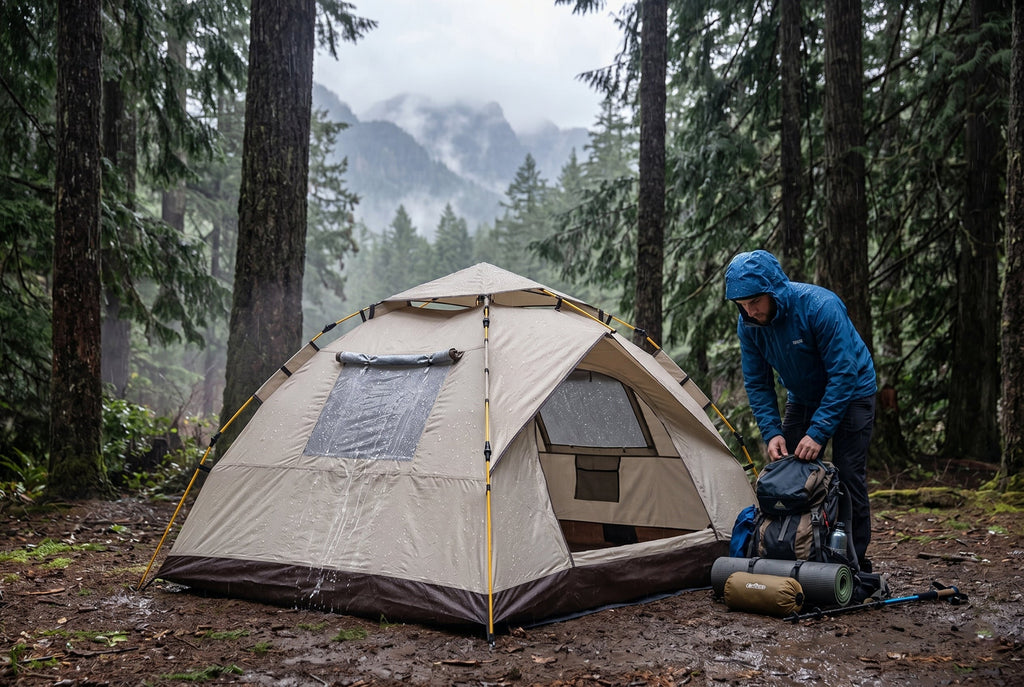
It is easy to pick gear based on photos from sunny, postcard-perfect camping spots, without checking the typical weather patterns of the exact location you plan to visit. A setup designed for dry, desert camping will not hold up when you face sudden, heavy rain showers in a forested valley that sees unexpected summer storms. Many campers forget that mountain campsites can drop 20 degrees in temperature after sunset, even if the midday sun feels warm enough for thin clothing. Gear that works well for a quick overnight trip near a city will fail you when you spend three days in a coastal area that deals with constant damp sea mist. You might find yourself shivering through the night or dealing with soaked supplies that ruin your entire planned itinerary.
Overpacking "Just In Case" Items That Serve No Real Purpose
It is common to toss extra pieces of gear into your pack because you think you might need them at some point during the trip, even if you have never used those items on any previous outdoor adventure. These unnecessary pieces add extra weight that wears on your shoulders and slows you down during hikes between your parking spot and the actual campsite. They also take up valuable space that you could use for extra water, fresh food, or small comfort items that actually improve your experience. Many campers end up carrying a dozen extra items that stay buried at the bottom of their pack the entire trip, never once being pulled out for use. The extra bulk can even make it harder to set up your camp quickly if a sudden storm rolls in, as you fumble through layers of unused gear to find the items you actually need.
Skipping Pre-Trip Setup And Function Tests
Lots of people buy new gear right before their camping trip and never take the time to set it up or use it in their own backyard first. You might get to the campsite at dusk and realize you have no idea how all the tent poles fit together, wasting an hour of fading light while you fumble with confusing instructions. A sleeping pad that seems simple enough in the store might have a tricky inflation system that you cannot figure out when you are tired after a long drive. Even small tools like camp stoves can have hidden quirks that only show up when you try to light them for the first time in cool, windy outdoor air. This mistake leaves you stressed and frustrated right at the start of your trip, instead of being able to relax and take in the sunset over your campsite.
Overlooking Storage And Maintenance Requirements
Many campers do not think about how their gear will hold up after multiple trips, or what it takes to keep it working well for years. Gear that is not properly dried out after a trip can grow mold and mildew that creates bad smells and weakens the fabric long before you expect it to wear out. Folding a tent the exact same way every time can create permanent creases that make it more likely to leak during heavy rain later on. Even items like portable seating can break down quickly if you leave them out in direct sunlight for weeks at a time between trips, without any kind of protective storage. Small, simple habits that most new campers never learn end up cutting the usable life of their gear in half, leading to more unexpected problems on future trips.