Oregon Coast Camping: Wind, Rain & Sand Gear
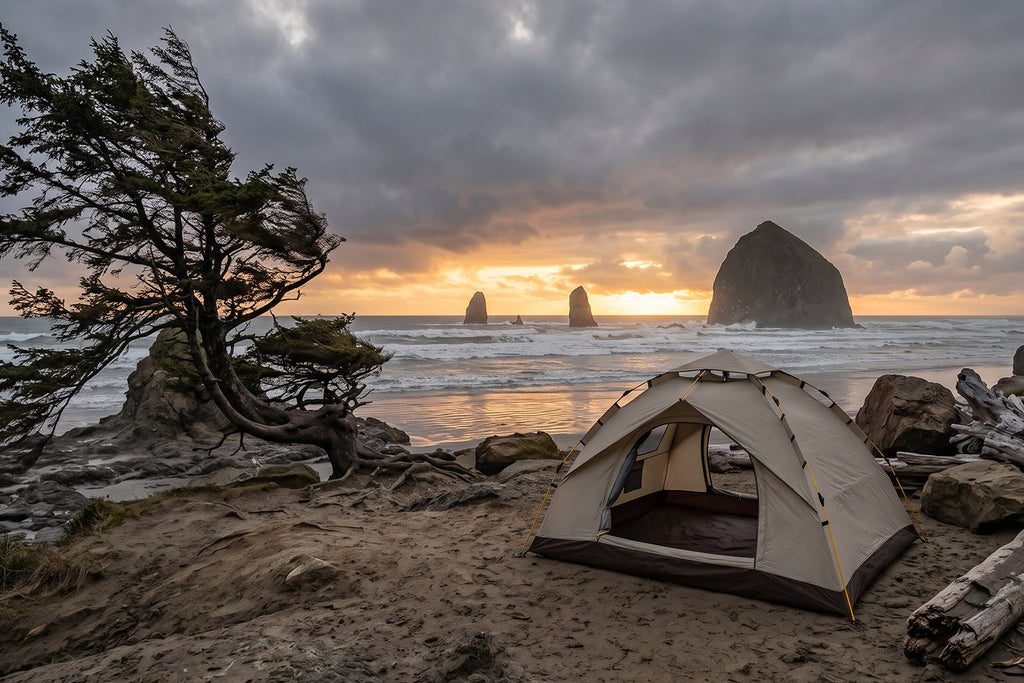
TL;DR: Oregon coast camping means preparing for three enemies: wind, rain, and sand. Summer highs run just 65-70°F, but the coast sees 70-100 inches of rain a year and gusts that shred cheap tents. Bring a wind-stable tent with a full rainfly, sand stakes or deadman anchors, and big wheels for soft sand — regular wagon wheels sink instantly.
Oregon Coast Camping: Wind, Rain & Sand Gear
If you're planning oregon coast camping wind rain sand adventures, you already know the coast doesn't play by normal camping rules. Wind, rain, and sand test every piece of gear you bring, which is why oregon coast camping wind rain sand gear deserves its own checklist. This guide helps you choose equipment that actually survives the Pacific shoreline.
Why the Oregon Coast Is Perfect for Camping
With 363 miles of public shoreline, the Oregon Coast gives you free beach access, dramatic headlands, and more than 50 campgrounds. You can fall asleep to crashing waves, explore tide pools at dawn, and watch gray whales migrate from December through January. Few places in the country offer this mix of accessibility and raw natural beauty.
You also get a mild, year-round camping season. Summer highs average just 65–70°F, so you never battle desert heat, and winter lows rarely drop below freezing near the water.
Oregon Coast Climate Challenge
Here's what you're up against. Along exposed headlands like Cape Lookout, sustained winds of 15–25 mph are common, with storm gusts topping 60 mph. Annual rainfall ranges from 70 to over 100 inches on the northern coast, and even July and August bring misty mornings. Sand is the third constant: it gets into zippers, stakes, and every seam of your shelter.
The practical takeaway for you: standard backyard gear fails here fast. Poles snap in gusts, thin fabrics leak, and fine coastal sand grinds down cheap wheels. You need equipment designed for coastal stress, and wind stability and waterproof ratings should drive your tent choice above all else.
Essential Gear for Wind, Rain & Sand

Windproof Shelter
Your tent is your first line of defense. The Finvizo Pop Up Camping Tent (2–4 Person) sets up in seconds, which matters when you're pitching in a 20 mph crosswind. Its low-profile dome shape deflects gusts, and you can stake it down fast before conditions shift. Browse the full Finvizo tent collection for sizes that fit your group.
Rain Protection
For rain, look for a full-coverage rainfly, taped seams, and a waterproof floor with raised edges. Finvizo tents include a durable rainfly, so you stay dry through the drizzle that defines coastal mornings. Pack a tarp too — you'll want a dry zone for cooking outside your tent.
Sand Management
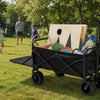
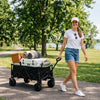
Getting gear from the parking lot to your site is the hidden battle. Regular wagon wheels sink in soft sand, but the Finvizo Folding Wagon Cart with Big Wheels carries up to 460 lbs and rolls over dunes, gravel, and wet sand without bogging down. Check the Finvizo camping cart collection to see why all-terrain wheels matter.


Top Oregon Coast Camping Spots
Cape Lookout State Park — Beachside tent sites south of Tillamook with direct dune access. Wind exposure is real here, so bring a low-profile shelter and extra-long sand stakes.
Fort Stevens State Park — One of the largest campgrounds in the U.S., with 500+ sites near Astoria. You get shipwreck views, historic batteries, and miles of paved bike trails.
Nehalem Bay State Park — Set on a sand spit between the bay and ocean. Ideal for you if you want calm water for kayaking plus wide-open beach. Watch for the resident deer wandering through camp.
Harris Beach State Park — Brookings' mild "banana belt" climate makes this a strong shoulder-season pick, with sea stacks and tide pools right off your site.
Local Tips
Book state park sites up to six months ahead on the Oregon State Parks reservation system — summer weekends sell out fast. Arrive before 3 p.m. so you're not pitching in the evening wind, which typically peaks in late afternoon. And always stake your tent with sand anchors or buried stuff sacks; standard 7-inch stakes pull straight out of loose dunes.
Finally, check marine forecasts, not just the land forecast. Coastal conditions shift hourly, and you'll want to time your setup between gust cycles.
I always check the tide tables before pitching on this coast. High tides push the drift line far higher than first-timers expect, and sneaker waves are a real hazard — keep your tent well above the wrack line, and never turn your back on the surf while you're exploring the tide pools.
Packing Checklist
- Wind-stable tent with full rainfly and taped seams
- Sand stakes or deadman anchors (pack at least 8)
- Heavy-duty folding wagon with all-terrain wheels
- Tarp plus 50 ft of paracord for a rain kitchen
- Waterproof dry bags for sleeping gear and electronics
- Layered clothing: base layer, fleece, and a waterproof shell
- Camp shoes you can rinse sand out of easily
- Headlamp, first-aid kit, and tide table printout
FAQ
What is the best tent for Oregon Coast wind?
Choose a low-profile dome tent with a full rainfly and strong pole structure. Instant-setup designs like the Finvizo Pop Up Tent let you pitch and stake down quickly before gusts build.
How much rain does the Oregon Coast get?
Between 70 and 100+ inches annually, depending on location. Most falls from October through May, but you should pack rain protection even for midsummer trips.
How do you keep sand out of your tent?
Pitch on packed sand above the high-tide line, use a footprint, and keep a brush by the door. A wagon with big wheels also keeps your bags off the ground during transport.
Ready for the Coast?
Don't let wind, rain, and sand ruin your trip. Gear up with the Finvizo Instant Tent and the 460 lbs Finvizo Wagon Cart — built for exactly the conditions this coastline throws at you.
Related Guides
- Shop Finvizo Instant Tents
- Shop Finvizo Camping Carts & Wagons
- Wagon vs. Wheelbarrow: Which Hauls More?

Written by Vivian J
Product Manager at Finvizo and an avid camper who tests gear on real trails. She writes from hands-on field experience to help you pick equipment that actually holds up outdoors.