Do Weighted Sleep Masks Work? What to Know First
Do Weighted Sleep Masks Work? What to Know Before You Buy
TL;DR: Weighted sleep masks do work for some people — the gentle pressure can feel calming, like a mini weighted blanket for your face. But the added heft (usually 0.5–1 lb) presses on your eyes, shifts when you roll over, and makes side sleeping awkward. For most travelers and campers, a lightweight 3D contoured mask that blocks light without touching your eyelids is the more comfortable night-after-night choice.
As our 3D sleep mask vs flat mask pressure test showed, small design differences change real-world comfort. So when weighted sleep masks started trending, I was curious — and skeptical. I've slept in a tent when the 5:40 a.m. sun hits the rainfly like a spotlight, in the middle seat of a red-eye from LAX to JFK, in motel rooms with curtains that gap at exactly eye level. Here's my straight answer on whether weighted masks work, and who they're really for.
What Is a Weighted Sleep Mask?
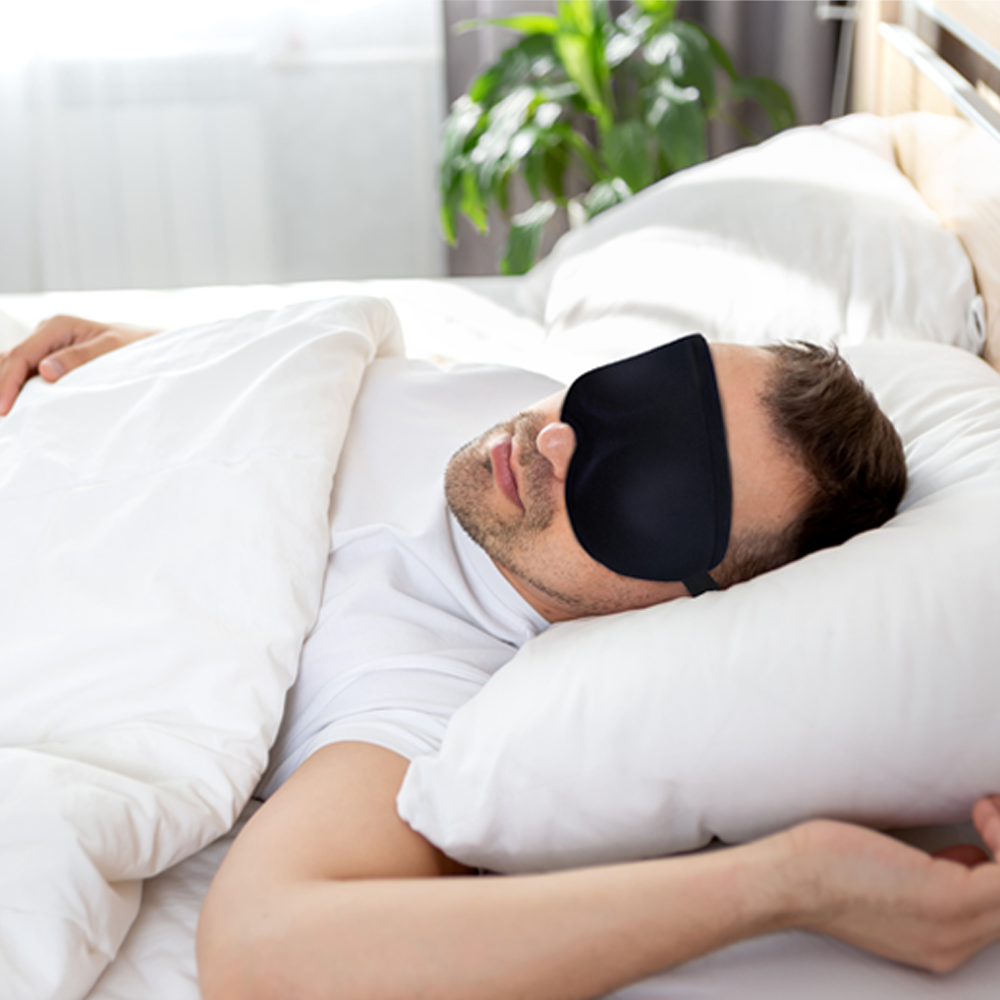
A weighted sleep mask — also sold as a weighted eye mask or gravity sleep mask — is a blindfold-style mask filled with glass microbeads or flaxseed that drapes over your eyes with deliberate heft. Most models on the market weigh between 0.5 and 1 lb (roughly 8–16 oz), compared with about an ounce or less for a typical fabric mask. The idea borrows from weighted blankets: steady, distributed pressure — called deep pressure stimulation — may help some people feel calm enough to drift off faster.
Some designs add extras: a silky cover, a cooling gel insert, or aromatherapy filling. But the core pitch is always the same — pressure plus darkness equals relaxation. The question is whether that equation holds up when you're actually trying to sleep, not just lie still on a couch for ten minutes.
What the Science Says About Deep Pressure and Sleep
Here's the honest picture. Research on weighted blankets suggests deep pressure can promote relaxation for some users, and small studies report reduced anxiety and improved sleep in certain groups. But — and this is the part marketing pages skip — there is no solid clinical evidence specifically for weighted masks. A mask puts far less total pressure on a far smaller area, so you're extrapolating from blanket research, not reading mask-specific trials.
What we do know is well established: darkness matters. The CDC recommends adults get at least 7 hours of sleep per night, and light exposure at the wrong time is one of the most common things that cuts that short. The NIH's National Heart, Lung, and Blood Institute links ongoing sleep deficiency to mood, focus, and cardiovascular health. In other words, the "darkness" half of a weighted mask's promise is backed by real sleep science; the "weight" half is mostly plausible theory and personal preference.
Where Weighted Sleep Masks Fall Short in Real Use
I bought one of the popular 12 oz models and tested it for two weeks — at home, in a tent, and on a flight. Here's what actually happened:
- Pressure on your eyelids. The whole point is the weight, and that weight sits directly on your eyes. By minute twenty, I was aware of my own eyeballs. Some people find that soothing; I found it distracting, and eye doctors generally caution against sustained pressure on the eyes.
- Side sleeping is basically a no. Roll onto your side and a 0.5–1 lb mask slides, bunches, or digs the bead pocket into your temple. I'm a side sleeper, so this alone was a dealbreaker.
- It moves when you move. In a tent, every position change meant re-centering the mask. A mask you have to manage isn't helping you sleep.
- Heat buildup. The thick fill that creates the weight also traps warmth — fine in January, unpleasant in a stuffy cabin or summer campsite.
None of this means weighted masks are useless. It means the trade-offs are real, and they hit hardest exactly where travelers and campers live: side sleeping, warm tents, cramped seats, constant position changes.
Why Most People Do Better With a 3D Contoured Sleep Mask

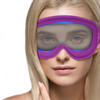
After the weighted experiment, I went back to the mask that has lived in my carry-on for two years: the Finvizo 3D Contoured Sleep Eye Mask. Instead of pressing on your eyes, it cups around them — deep molded eye pockets leave a gap over your eyelids, so you can blink freely, your lashes never touch fabric, and there's zero pressure on the eye itself.
The practical wins, from someone who actually sleeps with it:
- 100% light blocking without needing weight to seal the edges — the contoured shape does the work.
- Featherlight soft memory foam that stays put when you roll over, instead of sliding off like a pound of beads.
- An adjustable elastic strap that holds position on any head size without a tight band headache.
- It costs $14.98 and comes in four colors — Black, Grey, Pink, and Violet — less than half the price of most weighted options.

On that red-eye I mentioned, this is the mask that got me three real hours of sleep in coach. In the tent at dawn, it's the difference between waking at 5:40 with the sun and waking at 7:00 on my own terms. If you want to dig into how the contoured design compares with a standard flat mask under pressure, the Finvizo sleep mask page has the full spec rundown, and our pressure test breaks down the fit mechanics in detail.
When a Weighted Mask Might Still Make Sense
To be fair, there is a real audience for these. If you're a strict back sleeper, you sleep in a cool room at home, and you find gentle facial pressure genuinely soothing — the way some people love a heavy blanket — a weighted mask can be a pleasant pre-sleep ritual. Short relaxation sessions and meditation naps are where they shine. Just know what you're buying: a comfort accessory with calming claims rooted in blanket research, not a medically validated sleep device. And if you have any eye condition, glaucoma, or recent eye surgery, skip the pressure entirely and ask your doctor first.
For everyone else — side sleepers, travelers, campers, shift workers grabbing daylight rest — darkness without pressure is the smarter bet. That's the design philosophy behind every piece of Finvizo camping gear and sleep gear we make: solve the real problem (light) without creating a new one (weight on your face).
Building out a full kit for sleeping on the move? Our eye mask for travel guide covers what to look for on planes, trains, and hotel rooms.
FAQ: Weighted Sleep Masks
Are weighted sleep masks safe for your eyes? For short sessions, most healthy adults tolerate them fine, but sustained direct pressure on the eyeball isn't ideal. If you have glaucoma, dry eye, or recent eye surgery, consult your eye doctor before using one — and consider a contoured mask that never touches your eyelids.
How heavy is a typical weighted sleep mask? Most weighted eye masks weigh between 0.5 and 1 lb (about 8–16 oz), filled with glass microbeads or flaxseed. By comparison, a 3D contoured foam mask weighs a fraction of that.
Can you sleep on your side with a weighted eye mask? Technically yes, but most people find the mask shifts, bunches, or presses uncomfortably into the temple. Side sleepers generally do better with a lightweight contoured design and an adjustable strap.
Do weighted sleep masks help with anxiety? Deep pressure stimulation from weighted blankets has shown calming effects in some studies, and a weighted mask borrows that idea — but there's no strong clinical evidence specific to masks. Treat it as a comfort preference, not a treatment.
What's the difference between a weighted sleep mask and a 3D contoured sleep mask? A weighted mask uses heft (0.5–1 lb) resting on your eyes for a calming pressure sensation. A 3D contoured mask uses molded eye cups to block 100% of light while hovering off your eyelids — no pressure, far lighter, and better for side sleeping and travel.

Written by Vivian J
Product Manager at Finvizo and an avid camper who tests gear on real trails. She writes from hands-on field experience to help you pick equipment that actually holds up outdoors.