Camping for People with Back Pain: Supportive Gear
Camping for People with Back Pain: Supportive Gear
Back pain shouldn't lock you out of the outdoors. With the right supportive gear, you can sleep under the stars, cook over a fire, and wake up without wincing. The secret isn't gritting your teeth — it's choosing equipment that offloads your spine and shifts weight to the stronger parts of your body. Still deciding on pack capacity? Our 50L backpack capacity guide is a good place to start.
Why Camping Is Great for People with Back Pain
Gentle outdoor movement is one of the best things for a stiff spine. Walking on soft terrain, stretching at your campsite, and unplugging from desk posture all ease the muscle tension that fuels chronic pain.
The catch? One bad night on thin foam or one 40-pound haul from the parking lot can undo it all. That's why camping gear for bad backs matters more than toughness.
Essential Gear
Must-Have
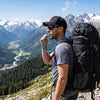
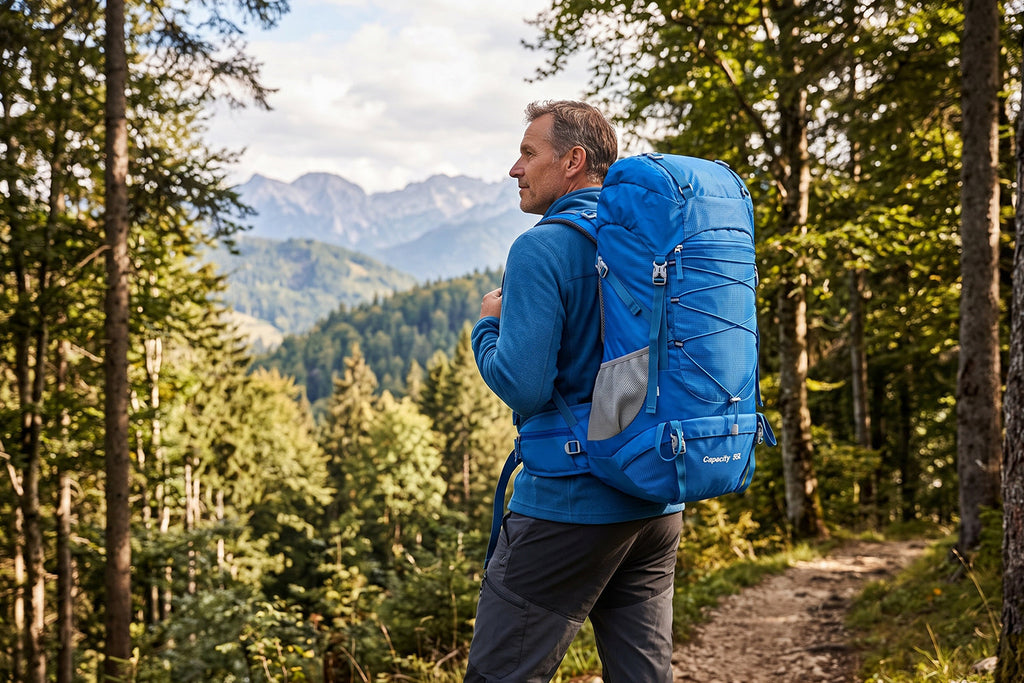
Finvizo 50L Camping Backpack — This is the single most important piece of your setup. Its padded hip belt transfers up to 70–80% of pack weight from your spine to your hips, the strongest load-bearing structure in your body. The ventilated back panel keeps airflow moving, cutting the sweat and fatigue that make you slouch into pain. An adjustable torso lets you dial in lumbar contact exactly where you need it.
Research backs this up: in one long-distance trail survey of through-hikers, 43% reported back or hip pain, and heavier base pack weight clearly raised injury risk.

Round out your must-haves with a supportive sleeping pad for back pain (at least 2 inches thick, R-value above 3) and a camping chair with lumbar support so you never spend an evening slumped on a log. Browse the Finvizo Backpack Collection to find your fit.
Nice-to-Have
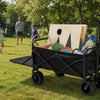
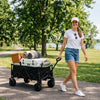
Finvizo 600lbs Tailgate Wagon — the ultimate back-saving upgrade. Instead of five bent-over trips carrying coolers, tents, and chairs from car to campsite, you roll everything in one trip. Its heavy duty 600lbs capacity swallows a full weekend of gear and collapses flat for trunk storage. Every pound in the wagon is a pound off your spine.

Pair it with trekking poles (studies show poles can reduce spinal compression forces by roughly 10–15% on descents) and a waist-height camping table so you never hunch over a cooler to cook. Explore more options in the Finvizo Wagon Cart Collection, including the lighter 460lbs Big-Wheel Wagon for smaller trips.
What to Skip
Leave the frameless daypack at home — without a padded hip belt, 100% of the load hangs on your shoulders and spine. Skip thin foam sleeping mats, single-strap duffels, and ultralight stools with no backrest. They're "lightweight" only until your back pays the price.
Tips for Campers with Back Pain
Pack Light and Pack Smart
Keep your total pack weight under 20% of your body weight — for a 160-pound camper, that's a 32-pound ceiling. Place the heaviest items close to your spine at mid-back height so the load stays balanced.
Choose a Back-Friendly Campsite
Book drive-up sites so your carrying distance shrinks to a few wagon trips. Look for flat, level ground for your tent — even a 5-degree slope forces your spine to compensate all night. Arrive with daylight to spare so you are never rushing through setup on a tired back.
Set Up a Pain-Free Sleep System
Sleep on an insulated pad in a neutral spine position: on your back with a pillow under your knees, or on your side with a pillow between them. Your lumbar curve needs support, not hardness.
Move, Stretch, and Take Breaks
Do five minutes of gentle morning stretches, and never stay in one position for more than 30 minutes. Core exercises like the side plank are a proven way to fight low-back fatigue on the trail.
Lift and Carry Correctly
Bend at the knees, never at the waist, and keep loads close to your body. Anything over about 25 pounds goes in the wagon, not on your shoulder — asking a campmate for help beats three days of flare-up.
Do a Backyard Trial Run
Before your first real trip, pitch everything at home and spend a full night in your sleep system. Load your pack with the actual gear you plan to carry, walk the neighborhood for twenty minutes, and pay attention to hot spots or pressure points. Note anything that pinches, slips, or forces you to hunch. It is far easier to swap a sleeping pad or re-adjust a hip belt in your backyard than at mile 6 of a trail with a flare-up building. Treat it as a dress rehearsal, because it is.

Common Concerns
"Will camping make my back pain worse?" Not if your gear and setup are right. Most flare-ups come from carrying and sleeping mistakes — all fixable.
"What if I have a flare-up at camp?" Lie on your side in the fetal position, alternate heat and cold packs, take gentle walks, and keep an exit plan — know the fastest route back to your car.
"Should I tell my camping partners about my back?" Yes. Agree on a slower pace, more frequent breaks, and first claim on the flattest tent spot. Good campmates would rather adjust the plan than watch you push through pain in silence — and half of them probably have their own back stories to share.
FAQ
Can you go camping with a bad back?
Absolutely. Campers with herniated discs, sciatica, and chronic pain enjoy the outdoors every season. The key is ergonomic camping gear, smart packing, and a drive-up site.
What is the best camping gear for lower back pain?
Start with a lumbar support backpack with a padded hip belt and ventilated back panel, an insulated sleeping pad at least 2 inches thick, and a camping chair with lumbar support. These three solve most back-friendly camping problems.
How do you carry camping gear with back pain?
Keep pack weight under 20% of your body weight, let the hip belt carry 70–80% of the load, and use a folding camping wagon for everything else. Our Hiking Backpack Size Guide helps you pick the right capacity so you never overpack.
What should I sleep on when camping with back pain?
An insulated sleeping pad for back pain with an R-value of 3 or higher, paired with a supportive pillow. Keep your spine neutral and your lumbar curve cradled.
Can a camping wagon help with back pain?
Yes — dramatically. A heavy duty camping cart eliminates the bending and lifting that triggers most flare-ups at camp. See how wagons compare in our wagon vs wheelbarrow breakdown.
Ready to Camp Comfortably?
Camping with lower back pain is completely possible with the right camping back pain supportive gear. Carry comfortably with the Finvizo 50L Camping Backpack, and haul effortlessly with the Finvizo 600lbs Tailgate Wagon. Your back will thank you at sunrise.
Related Guides:
- Hiking Backpack Size Guide
- Wagon vs Wheelbarrow for Gardening
- Finvizo Backpack Collection
- Finvizo Wagon Cart Collection

Written by Vivian J
Product Manager at Finvizo and an avid camper who tests gear on real trails. She writes from hands-on field experience to help you pick equipment that actually holds up outdoors.