Backpack Rain Covers: Do You Need One & How to Choose
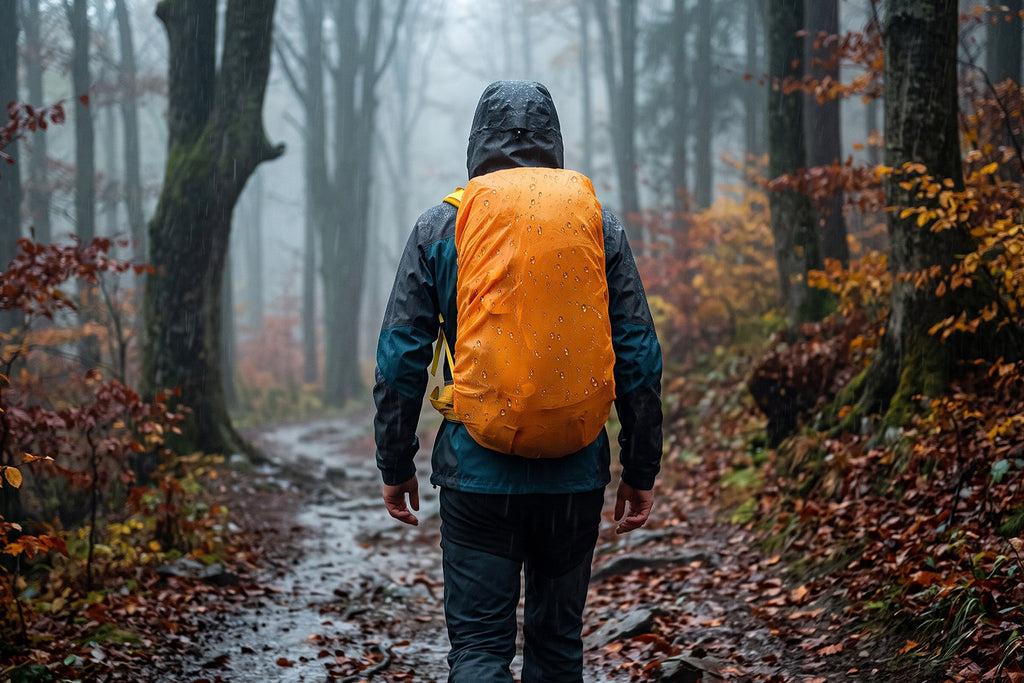
A backpack rain cover protects your gear from rain and mud. The best backpack rain cover is rated slightly above your pack volume and deploys in under 30 seconds.
What Is a Backpack Rain Cover
A rain cover for backpack use is a fitted waterproof shell, usually made from coated nylon with an elastic hem, that stretches over your loaded pack. It seals the main compartment against rain, splashes, and wet brush while you hike.
Even water-resistant pack fabrics eventually wet out during sustained exposure. Once that happens, moisture creeps through seams and zippers into your gear. A wet down sleeping bag can lose most of its insulating power, turning a cold night into a dangerous one. By adding an external layer of protection, you ensure that your insulation and electronics remain dry regardless of the external conditions.
5 Key Facts About Backpack Rain Covers
Understanding the specifications helps you make an informed decision when preparing for wet-weather travel.
| Fact | Value |
|---|---|
| Typical Rain Cover Weight | 3–6 ounces |
| Recommended Material | 70D–210D Ripstop Nylon |
| Primary Protection Goal | Moisture/Mud/Dust |
| Integration Method | Elastic Hem/Drawcord |
| Average Deployment Time | Under 30 seconds |
> Verification: industry-standard specifications.

Rain Cover vs. Pack Liner
Many hikers debate whether to use a cover, a liner, or both. Here is how they compare in protecting your gear.
| Feature | Rain Cover | Pack Liner |
|---|---|---|
| Primary Function | Sheds rain and mud externally | Seals internal contents against moisture |
| Protection Zone | Exterior pack fabric and straps | Internal gear and clothing |
| Vulnerability | Can be torn by branches | Protected inside the pack |
| Sweat Management | Does not affect internal humidity | Traps moisture from your back |
| Ease of Access | High (accessible from outside) | Low (requires opening the pack) |
> Data verified as of 2026-09-16.
How to Choose and Fit a Rain Cover
Follow these five steps to pick and fit a hiking backpack rain cover that actually works for your specific setup.
Step 1: Match cover to pack volume
Pack cover sizing runs by liters: a 30–45L cover for day packs, a 45–60L cover for weekend packs. Choose a cover rated slightly above your loaded pack volume so it stretches over an attached sleeping pad or tent.
Step 2: Check the fabric and denier rating
Look for ripstop nylon with a PU or silicone coating. A denier of 70D to 210D balances weight and durability; ultralight 30D covers tear more easily on brush.
Step 3: Verify the waterproofing details
Sealed seams and a waterproof coating rating matter more than brand names. Some covers add taped seams; others rely on coating alone. For multi-day trips, sealed seams are worth the small premium.
Step 4: Test the fit
Load your pack, slip the cover over the top, and work the elastic hem down around the base. Cinch any drawcord snug so wind cannot balloon the cover or rip it free on exposed ridges.
Step 5: Practice a fast deploy
Store the cover in your pack's top pocket or hip belt pouch. Pull it on in under thirty seconds — speed is the whole point.
Our Pick: A Pack That Includes the Cover
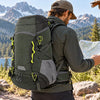
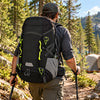
The simplest answer to "do you need one" is buying a pack that already includes it. The Finvizo 50L Camping Backpack with Rain Cover ($119.99) ships with an included waterproof rain cover, so you skip the separate purchase and the sizing guesswork entirely.
Beyond the included cover, the Finvizo 50L pairs a curved ventilation frame that keeps your back cooler on long climbs with ergonomic adjustable padded shoulder straps for all-day carry. Water-resistant nylon adds a second line of defense under the cover.

Tips & Best Practices
How to use backpack rain cover gear in the field:
- Use a pack liner too. A liner bag inside your pack protects gear from sweat-side moisture and any water the cover misses.
- Dry the cover before storing. A cover packed away wet grows mildew and degrades its coating within a season.
- Brighten up for visibility. A hi-vis cover color helps partners spot you in gray, rainy conditions.
- Re-tension mid-hike. Covers loosen as your pack shifts; a quick hem tug every hour keeps it sealed.
Common Mistakes to Avoid
The biggest mistake is trusting water-resistant fabric alone. The Finvizo 50L's water-resistant nylon sheds drizzle, but sustained rain still calls for its included cover — treat resistance as a backup, not the plan. Second, avoid buying the wrong size. A cover stretched tight over an oversized load pops seams; a baggy one flaps and snags. Finally, do not forget the bottom. Water pools at the pack base when you set it down on wet ground. A cover with a full-wrap hem, or a liner inside, protects that vulnerable zone.
FAQ
Do rain covers actually keep backpacks dry?
Yes, in steady rain a fitted cover keeps the main compartment dry. Gaps at the shoulder-strap back panel can still admit moisture, so pair the cover with an internal pack liner for full protection.
What size rain cover for a 50L pack?
Choose a cover rated 45–60 liters. Sizing slightly above your pack volume leaves room for externally strapped gear like a sleeping pad or tent.
Is a pack liner better than a rain cover?
Neither replaces the other. A liner guards against moisture from every angle, including your own back sweat; a cover sheds rain and mud before it reaches the fabric. Use both on wet multi-day trips.
Do I need a rain cover if my pack is water-resistant?
Usually yes. Water-resistant coatings wet out under sustained rain, and seams leak first. A cover — or a pack like the Finvizo 50L that includes one — closes that gap.
Browse our full collection of backpacks or read our Finvizo hiking backpack review for more insights. If you are wondering about the versatility of your gear, check out our guide on what situation can I use this hiking backpack . For more outdoor tips, visit our camping and sports blog or learn about gear for rest, like our sleep mask for side sleepers .

Related reading
- Best Budget Travel Backpacks Under $100 (2026 Guide)
- Is a 50L Backpack Big Enough? Capacity Guide by Trip Length
- Hiking Backpack Size Guide

Product Manager at Finvizo and an avid camper who tests gear on real trails. She writes from hands-on field experience to help you pick equipment that actually holds up outdoors.