Colorado High Altitude Camping: Gear for Thin Air
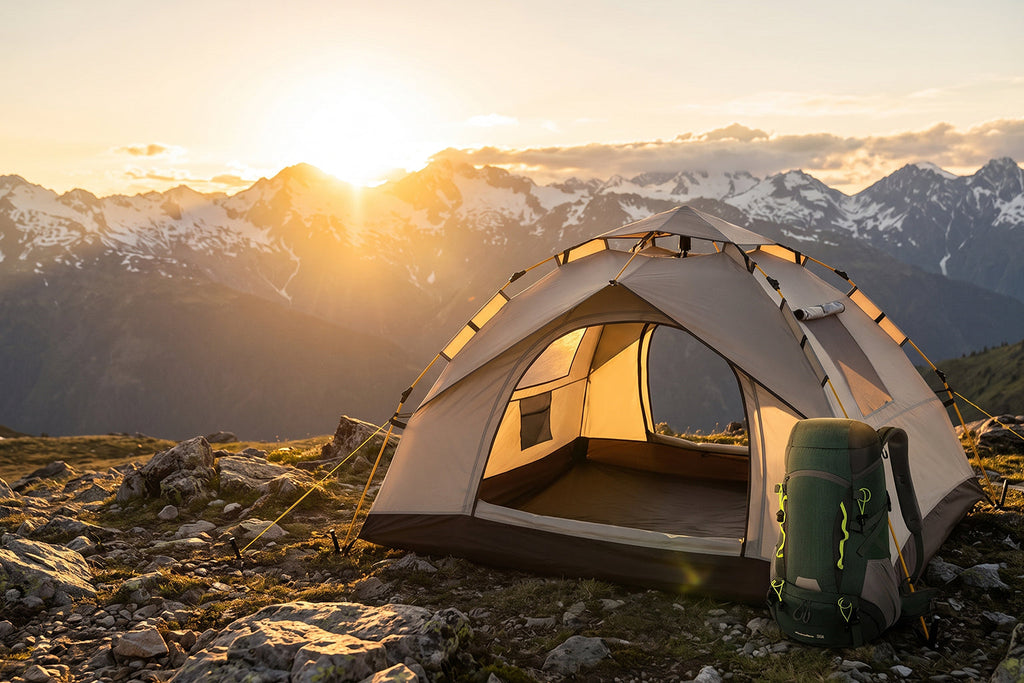
TL;DR: Colorado high altitude camping is worth the thin air — if you plan for it. Expect 35°F temperature swings (65°F afternoons, freezing nights even in July), and know that altitude sickness hits 20-25% of campers sleeping above 8,000 feet. Sleep your first night below 9,000 feet, bring a 20°F-rated bag, and keep your shelter quick to pitch for afternoon hail.
Colorado High Altitude Camping: Gear for Thin Air
Colorado calls to campers like few places on Earth. With 58 peaks above 14,000 feet and campsites perched above the treeline, Colorado high altitude camping delivers thin air, big views, and real challenges. This guide shows you the gear, the spots, and the know-how you need.
Why Colorado Is Perfect for High Altitude Camping
You get more accessible high country here than almost anywhere in the Lower 48. Trailheads like Guanella Pass and Brainard Lake put you within a few miles of campsites above 11,000 feet, so you can sleep in true alpine terrain without a week-long trek.
The Rockies also reward you with dry, sunny weather much of the summer. Colorado averages over 300 days of sunshine per year, which means star-filled nights at altitude and fewer soggy mornings. For many campers, it's the easiest place to test yourself in thin air.
Colorado's Climate Challenge
Thin air is the first thing you'll notice. At 12,000 feet, the effective oxygen available is only about 13-14%, compared to roughly 21% at sea level. You breathe harder, your heart works faster, and even simple camp chores can leave you winded.
Temperatures swing wildly, too. A July afternoon at 11,500 feet might hit 65°F, then drop below freezing overnight — a 35°F or greater swing is common. Add afternoon thunderstorms that build almost daily above treeline, and you have a serious gear test.
Acute mountain sickness (AMS) affects roughly 20-25% of visitors who sleep above 8,000 feet. Headache, nausea, and poor sleep are the early signs. Plan your first night below 9,000 feet if you can, and read up on altitude sickness basics before you go.

Essential Gear (By Scenario)
Scenario 1: Overnight Below Treeline (9,000–11,000 ft)
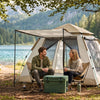
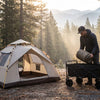
You'll have some wind protection from krummholz pines, but storms still hit hard. A sturdy, quick-pitch shelter like the 2-4 Person Pop Up Tent lets you get under cover in minutes when hail rolls in.
Scenario 2: Above-Treeline Alpine Camping (11,000+ ft)
Here, wind is your enemy. Gusts above 40 mph are routine, and a flimsy shelter will fail. The Finvizo Lightweight Tent is built for exactly this: a low-profile, weather-shedding design that holds its shape when the ridge howls. [Product placement] Browse the full Finvizo Tent Collection to find the right alpine-rated shelter for your trip.

Scenario 3: Multi-Day Treks Between Basins
When you're hauling everything on your back over passes, every ounce counts. Pair your tent with the 50L Ultralight Backpack — at 50 liters it swallows a sleeping bag rated to 20°F, a pad, food, and layers without punishing your shoulders in thin air.
For couples splitting weight, the 2-Person Backpacking Tent divides nicely between two packs. Whatever you choose, keep your total base weight under 25 pounds — your lungs will thank you.
Top Spots for Colorado High Altitude Camping
1. Brainard Lake Recreation Area (10,300 ft). Easy access from Boulder, forested sites, and a short hike to above-treeline tent spots. Great for your first thin-air night.
2. Guanella Pass (11,669 ft). Roadside dispersed camping with huge views of Mt. Bierstadt. Ideal if you want altitude without a long approach.
3. Blue Lakes, Mt. Sneffels Wilderness (11,000 ft). Turquoise alpine lakes below a 14er. Arrive early — this popular basin fills on summer weekends.
4. Longs Peak Area, Rocky Mountain National Park (9,400 ft). The classic base camp for a 14er attempt. Permits required; expect cold wind even in August.
5. Yankee Boy Basin, Ouray (11,300 ft). Wildflower meadows in July and wild jeep roads. One of the most photogenic campsites in the state.

Local Tips
Acclimatize properly. Spend your first night near 8,000-9,000 feet — Estes Park or Nederland work well — then move higher. Climb high, sleep low is the golden rule.
Be off exposed ridges by noon. Colorado's summer thunderstorms fire up fast, and lightning above treeline kills. Check the forecast, but treat bluebird mornings as your only safe window.
Drink more than you think you need. At altitude you lose moisture with every breath; 3-4 liters a day is a solid target. And if the forecast turns cold, our Winter Camping Checklist doubles as a great shoulder-season reference.
Packing Checklist
- Alpine-rated tent (Finvizo Lightweight Tent) with extra guylines
- 50L backpack with rain cover
- Sleeping bag rated to at least 20°F
- Insulated sleeping pad (R-value 4+)
- Down jacket, rain shell, and warm hat — even in July
- Water bottles or reservoir: 3+ liters capacity
- Headlamp, map, and first-aid kit
- Sunscreen SPF 50 and sunglasses (UV rises ~10% per 3,300 ft)
FAQ
What elevation is considered high altitude camping in Colorado?
Anything above 8,000 feet counts as high altitude, but most Colorado alpine campsites sit between 10,000 and 12,000 feet. Above 11,500 feet you're truly in thin-air territory, where oxygen drops to roughly 13-14% effective concentration.
How do I avoid altitude sickness while camping?
Ascend gradually, sleep low the first night, hydrate aggressively, and skip alcohol. If a headache and nausea won't fade, descend 1,000-2,000 feet — it's the only guaranteed cure.
What gear matters most above the treeline?
A wind-stable tent, a warm sleep system, and a pack that carries it all comfortably. Your shelter is your lifeline when 40 mph gusts hit, so choose an alpine-tested design from the Finvizo Tent Collection rather than a bargain three-season tent.
Ready to Camp Above the Clouds?
Colorado's high country is waiting — and the right gear turns thin air from a threat into a thrill. Explore the Finvizo Tent Collection and grab the 50L Ultralight Backpack to build your alpine kit today. Your highest campsite ever is one trip away.
Related Guides
- Winter Camping Checklist: Cold Weather Essentials
- Browse the Finvizo Tent Collection
- 2-Person Backpacking Tent: Built for the Trail

Written by Vivian J
Product Manager at Finvizo and an avid camper who tests gear on real trails. She writes from hands-on field experience to help you pick equipment that actually holds up outdoors.