Summer Heat Survival Gear 100 Degrees: Campers Guide
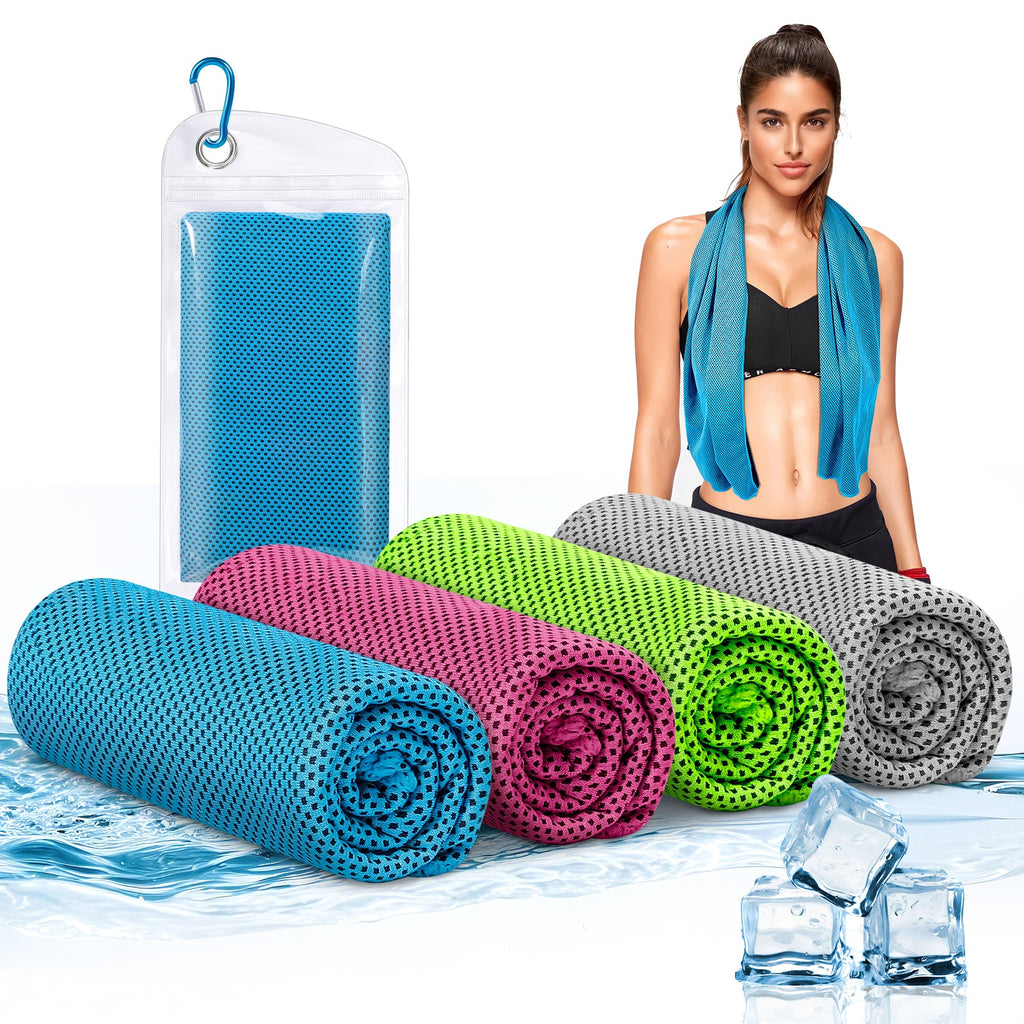
Summer Heat Survival Gear 100 Degrees: Campers Guide
When temperatures hit triple digits, the wrong gear turns adventure into an emergency. The right summer heat survival gear 100 degrees isn't optional — it's essential. Heat kills more Americans than floods, tornadoes, and hurricanes combined. With proper summer heat survival gear 100 degrees, you stay 10-15 degrees cooler. This guide covers the exact summer heat survival gear 100 degrees you need.
Why Surviving Extreme Heat Requires the Right Gear
Heat is America's deadliest weather threat, claiming 600+ lives yearly. Unlike visible dangers, heat sneaks up as your body maintains 98.6°F.
The right summer heat survival gear 100 degrees transforms unbearable conditions into manageable ones. Evaporative cooling towels, UV-blocking sleeves, and strategic shelter lower your core temperature.
| Condition | Symptoms | Immediate Action |
| Heat Cramps | Muscle spasms, sweating | Rest, hydrate with electrolytes |
| Heat Exhaustion | Heavy sweating, dizziness, nausea | Move to shade, cool body, drink fluids |
| Heat Stroke | Confusion, hot dry skin, fainting | Call 911, immediate aggressive cooling |
Essential Summer Heat Survival Gear 100 Degrees Checklist
When triple digits hit, summer heat survival gear 100 degrees matters most.
Core Cooling Gear
Cooling towels use evaporative tech — soak, wring, snap to activate. Finvizo Cooling Towels stay cold for 2 hours and reactivate indefinitely.
Cooling neck gaiters cool carotid arteries, lowering perceived temperature 15-20 degrees. The Finvizo Neck Gaiter is UPF 50+ rated.
UV protection sleeves keep arms cooler than bare skin. Finvizo UV Sleeves block 98% of UV rays with moisture-wicking fabric.
How to Activate Your Cooling Gear System
- Soak all three items in cold water for 2 minutes
- Wring out until damp, not dripping
- Snap towel 3-5 times, drape around neck
- Wear gaiter and pull on sleeves
- Re-soak every 1-2 hours

Hydration Systems
- Insulated water bottles (cold 24+ hours)
- Hydration packs with insulated hose sleeves
- Electrolyte tablets/powders for sodium, potassium
In 100°F heat, you lose 1 liter of sweat hourly. Carry a 3-liter hydration pack.
Shelter & Shade Gear
- Full-mesh tent body with removable rainfly
- Reflective tarp hung OVER tent
- Portable battery-powered fan
A portable fan for tent camping creates cross-ventilation. Add a reflective tarp 18 inches above tent for 10-15 degree reduction.
Sun Protection Clothing
- UPF 50+ long-sleeve shirts (loose fit, light colors)
- Wide-brim hat with neck flap
- Polarized sunglasses
UV sun sleeves outdoor protection beats sunscreen because it doesn't wash away. Finvizo UV Sleeves provide UPF 50+ coverage for 8+ hours.
| Gear Item | Cooling Method | Duration | Best For |
| Cooling Towel | Evaporative | 1-2 hours | Neck/head cooling, hiking |
| Neck Gaiter | Evaporative + shade | 1-3 hours | Neck/face protection |
| UV Sleeves | Evaporative + UV block | All day | Arm protection |
| Portable Fan | Air circulation | Battery-dependent | Tent sleeping |
Setting Up Your Campsite for 100°F Survival
Camping in 100 degree weather demands strategic setup. Right positioning lowers living temperature by 10-20 degrees.
- Arrive during cooler hours
- Select a site with maximum shade
- Position tent door to face prevailing wind
- Hang reflective tarp above tent
- Set up shade canopy over cooking area
- Remove rainfly if no rain forecast
Check our 600lbs Wagon Buying Guide for transporting summer heat survival gear 100 degrees to camp.

Daily Heat Survival Protocol for Campers
Gear is half the battle — how to stay cool while camping requires schedule adjustments. Smart campers work with the heat, not against it.
| Time | Activity Level | Hydration |
| 5:00–8:00 AM | Strenuous (hiking, setup) | 0.5L per hour |
| 8:00–10:00 AM | Moderate activities | 0.75L per hour |
| 10:00 AM–4:00 PM | SIESTA — minimize activity | 1L per hour |
| 4:00–7:00 PM | Moderate activities | 0.75L per hour |
| 7:00 PM+ | Dinner, camp tasks | 0.5L per hour |
These extreme heat camping tips follow the desert rule: work dawn, rest midday, resume dusk.
Recognizing Heat Illness in 100°F Camping
Heat exhaustion prevention camping knowledge is essential when using your summer heat survival gear 100 degrees.
| Factor | Heat Exhaustion | Heat Stroke |
| Skin | Cool, pale, sweaty | Hot, red, dry |
| Sweating | Profuse | Minimal or none |
| Temperature | Slightly elevated | 104°F+ |
| Mental State | Tired, weak | Confused, disoriented |
| Response | Rest, cool, hydrate | CALL 911 + aggressive cooling |
Monitor partners constantly. Confusion is the red-line symptom separating exhaustion from stroke. Cool neck, armpits, and groin first.

Where to Buy Summer Heat Survival Gear
When it comes to hot weather camping gear, quality evaporative products make the difference.
Finvizo Cooling Towels use advanced evaporative tech. Soak, wring, snap to activate. They stay cool for 2 hours and reactivate indefinitely. This summer heat survival gear 100 degrees item stays in constant rotation.
Finvizo UV Sleeves provide UPF 50+ protection. Unlike sunscreen that sweats off, they provide all-day coverage.
The Finvizo Neck Gaiter cools blood vessels feeding your brain. These three pieces form complete heat defense.
Shop Heat Survival Collection →
FAQ — Summer Heat Survival Gear
| Question Category | Quick Answer |
| Hydration Needs | 1 liter per hour of strenuous activity in 100°F |
| Cooling Gear Effectiveness | Can lower skin temp by 20-30°F in dry heat |
| Clothing Choice | Long, loose UPF-rated sleeves beat bare skin |
How much water should I drink while camping in 100-degree heat?
Aim for 1 liter per hour during activity. Add electrolytes every 2 hours. Pale yellow urine means hydrated.
What are the first signs of heat exhaustion I should watch for?
Early signs: headache, dizziness, heavy sweating, muscle cramps, nausea. Stop activity, move to shade, begin cooling.
Can cooling towels and neck gaiters really make a difference in 100°F heat?
Yes — evaporative cooling lowers skin temperature 20-30 degrees in dry heat. The key is cooling neck blood vessels. Re-soak every 1-2 hours.
Is it better to wear long sleeves or short sleeves in 100-degree heat?
Long, loose, light-colored UPF-rated sleeves are better. They block UV and allow evaporative cooling. Finvizo UV Sleeves block 98% of UV.
What's the best way to cool down a tent in extreme heat?
Remove the rainfly if no rain is forecast. Set up in deep shade. Hang a reflective blanket above the tent. Use a portable battery fan. Choose a tent with maximum mesh panels.
Gear Up — Shop the Heat Survival Collection Now
Don't let triple-digit temps keep you inside. With the right summer heat survival gear 100 degrees, explore past 100°F.
Related reading
- 3 Best Off Road Wagon for All-Terrain Adventures in 2026
- How to Use a Cooling Towel During a Marathon: A Runner's Guide
- Folding vs Foldable Wagon: 1 Clear Answer Inside

Vivian J is a Product Manager at Finvizo and an avid outdoor enthusiast. She tests gear on real trails and writes from hands-on field experience to help readers choose equipment that performs reliably outdoors.