camping gear for first time buyers
First-time camping gear buyers face a confusing marketplace filled with technical terms and endless options that seem equally important. The key is focusing on simple, reliable equipment that makes initial camping experiences enjoyable rather than frustrating. Many beginners purchase overly complex gear that requires expertise they have not yet developed, leading to disappointing trips that could have been positive with better initial choices. These recommendations prioritize ease of use, forgiveness of common mistakes, and versatility for different camping scenarios you are likely to encounter.
Choose shelter systems with straightforward setup and clear instructions
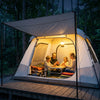
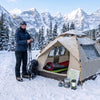
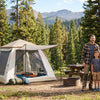
Your first shelter should be simple to understand even if you have never pitched a tent before. Look for designs with color-coded poles, obvious connection points, and intuitive sequencing that guides you through the process naturally. Dome-style shelters with fewer poles and simple rainfly attachments work well for beginners because they provide reasonable stability even when your setup technique is not perfect. Avoid technical terms about advanced materials and focus instead on whether you can realistically set up the shelter by yourself in mild weather after reviewing the instructions once or twice. A slightly heavier but simpler shelter that goes up reliably every time creates better experiences than an ultralight option that frustrates you when you cannot achieve the precise tension it requires.
Select sleeping arrangements that provide consistent comfort across conditions
Sleep quality dramatically impacts whether you enjoy camping or decide it is not for you. Begin with a sleeping pad that offers sufficient cushioning and insulation from the ground—aim for at least moderate thickness rather than minimalist options, since beginners often find hard ground more uncomfortable than experienced campers. Choose a sleeping bag rated for temperatures about 10 degrees Fahrenheit lower than you expect to encounter, as newcomers typically feel colder than anticipated. Synthetic insulation forgives moisture exposure better than down for first-time users who might not yet manage gear carefully in damp conditions. These choices ensure you stay warm and comfortable even if your site selection or setup is not optimal, making early trips more pleasant.
Build a cooking kit around simple, reliable meal preparation methods
Camp cooking intimidates many beginners, but starting with straightforward approaches builds confidence quickly. Select a single-burner stove that ignites easily and maintains consistent heat without requiring constant adjustment. Pair it with basic cookware—one pot and one pan that can handle most simple meals—rather than accumulating specialized tools you might never use. Focus on meals that require minimal preparation and cleanup during your first few trips; you can expand to more elaborate cooking as you gain experience. A simple, reliable cooking system that works every time matters far more than advanced features you will not utilize during initial outings.
Organize gear using clear, logical systems that reduce campsite confusion
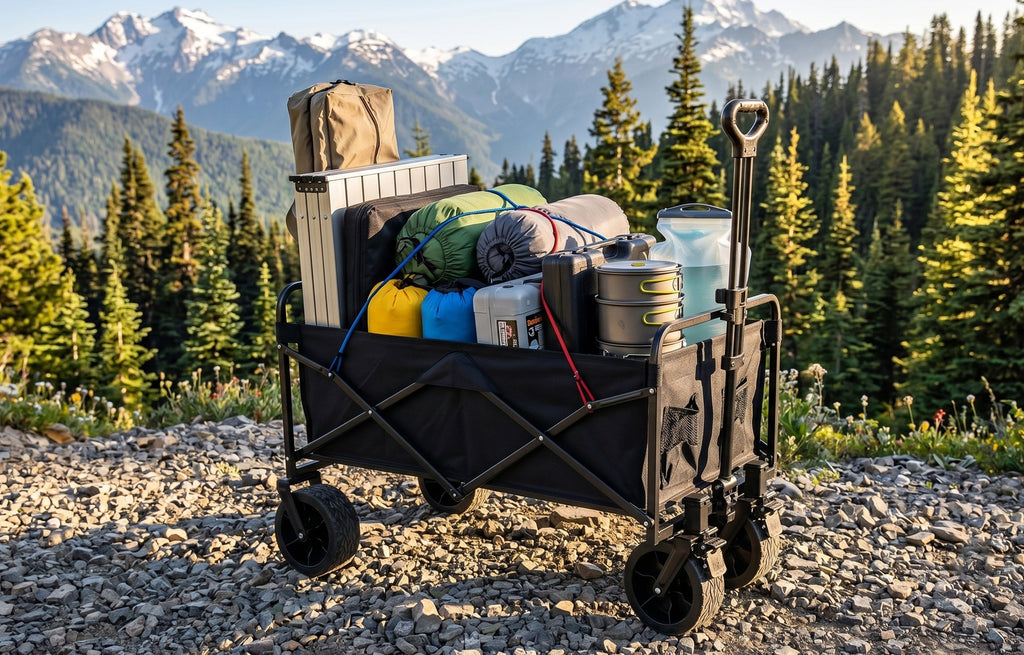
Nothing frustrates first-time campers more than constantly searching for basic items or struggling with complicated packing methods. Start with distinct bags or containers for different categories—sleeping gear, cooking supplies, clothing, and personal items—using colors or labels so you can quickly identify what you need. Choose storage that protects contents from rain and dust without requiring perfect packing technique; simple roll-top or zippered designs work better than complicated compression systems initially. This organized approach makes setting up camp, finding items during your stay, and packing to leave much smoother when everything about camping still feels unfamiliar.
Include reliable lighting and basic comfort items from your very first trip
Many first-time buyers overlook lighting and comfort essentials that significantly impact campsite enjoyment. Bring multiple light sources—a primary lantern for general area lighting plus a headlamp for hands-free tasks—with simple controls and adequate battery life for your planned trip duration. Include basic comfort items like a comfortable camp chair, adequate insulation between you and the ground, and appropriate clothing layers for temperature changes. These items transform camping from a survival exercise into an enjoyable experience, encouraging you to continue developing your skills rather than abandoning the activity after one uncomfortable night.