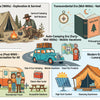
camping gear cleaning tips

Camping Gear Cleaning Tips
Regular cleaning helps camping gear remain comfortable to use and easier to manage across multiple outdoor trips. Dirt, moisture, dust, and outdoor residue can gradually affect performance if left untreated. Developing simple cleaning habits can reduce long-term maintenance and support better equipment condition.
Clean Camping Gear as Soon as Possible After Outdoor Use
Cleaning shortly after returning from a trip often makes maintenance easier.
Remove Surface Dirt Before Deep Cleaning
Start with dry cleaning methods before introducing moisture.
Helpful actions include:
- Shaking off loose debris
- Brushing away dirt
- Emptying storage compartments
- Clearing folds and corners
Removing loose residue first may improve cleaning efficiency.
Separate Camping Gear by Cleaning Requirements
Different types of camping gear may require different care routines.
Sort equipment according to:
- Material type
- Exposure level
- Moisture contact
- Cleaning frequency
Organized cleaning helps avoid unnecessary handling.
Inspect Equipment While Cleaning
Cleaning creates a good opportunity to examine camping gear.
Look for:
- Surface wear
- Areas with trapped debris
- Moisture retention
- Sections requiring additional care
Use Gentle Cleaning Habits to Protect Camping Gear
Consistent cleaning techniques often support long-term usability.
Avoid Aggressive Scrubbing
Excessive force may create unnecessary wear.
Instead:
- Clean gradually
- Focus on affected areas
- Use controlled pressure
- Repeat light cleaning when necessary
Gentle maintenance can help preserve equipment condition.
Pay Extra Attention to Frequently Used Areas
Certain areas naturally collect more dirt.
Inspect and clean:
- Contact surfaces
- Storage openings
- Folded sections
- Ventilation areas
These sections may benefit from more regular attention.
Control Moisture During Cleaning
Cleaning should not create unnecessary moisture exposure.
Helpful practices include:
- Using moderate moisture levels
- Removing excess water promptly
- Improving airflow
- Avoiding trapped humidity
Dry Camping Gear Properly After Cleaning
Drying is an important part of the cleaning process.
Increase Air Circulation
Allow camping gear to dry in conditions that support:
- Continuous airflow
- Even drying
- Open spacing
- Reduced moisture buildup
Balanced drying helps maintain usability.
Separate Damp and Dry Equipment
Avoid stacking partially dried camping gear together.
Keeping equipment separated may support more consistent drying.
Check for Remaining Residue
After drying, inspect camping gear again.
Look for:
- Moisture retention
- Remaining dirt
- Surface changes
- Areas requiring additional cleaning
Keep Camping Gear Clean Between Outdoor Trips
Ongoing care reduces future cleaning effort.
Store Equipment in an Organized Way
Arrange camping gear so it remains:
- Accessible
- Protected
- Easy to inspect
- Simple to maintain
Avoid Long-Term Dirt Accumulation
Small cleaning routines after each trip often reduce the need for extensive maintenance later.
Build a Consistent Cleaning Schedule
Regular cleaning habits help camping gear stay prepared for future outdoor use while supporting long-term performance and usability.