Types Of Backpacks
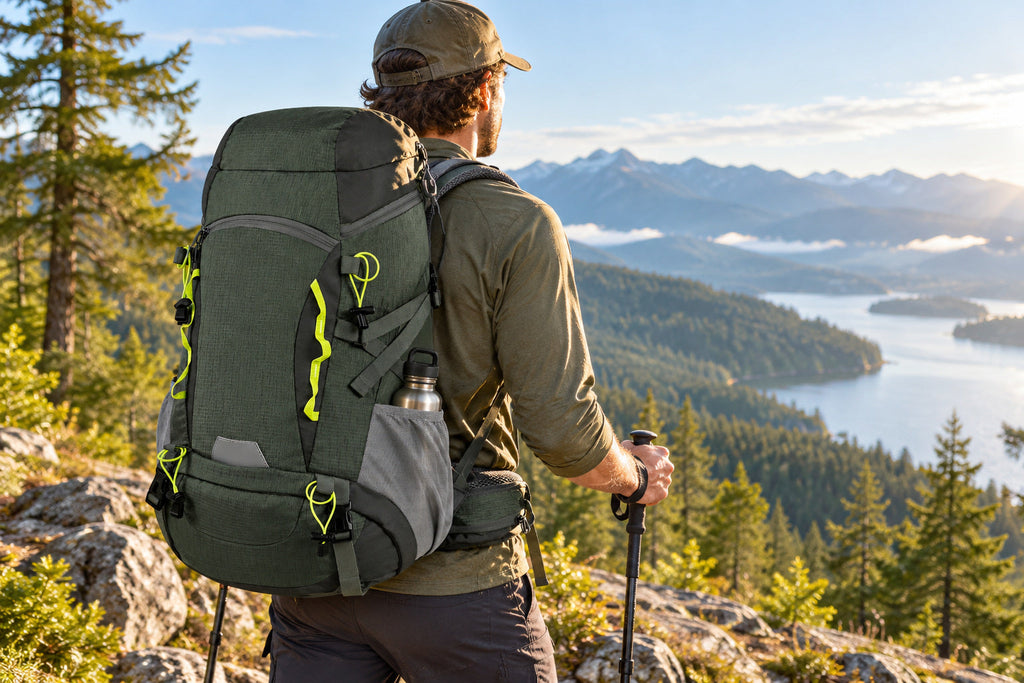
TL;DR: The main types of backpacks are daypacks, hiking packs, camping packs, travel packs, commuter bags, hydration packs, and specialist outdoor packs. Choose by trip length, carried weight, access, suspension, and weather exposure. For multi-day camping, the Finvizo 50L Camping Backpack holds 50L, supports up to 38 lb, and weighs 2.51 lb.
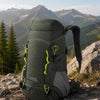
Finvizo 50L Camping Backpack — 50L capacity, 38 lb maximum load
A 2.51 lb hiking rucksack with a ventilation frame, rain cover, and attachment points for multi-day gear.
View ProductBackpack labels make more sense when you connect them to load, duration, and access. A commuter bag organizes a laptop; a daypack carries a light trail kit; a camping pack transfers heavier gear toward your hips. The Finvizo 50L Camping Backpack represents the multi-day hiking category rather than a compact everyday or airline-personal-item bag.
This overview maps the whole category. It differs from travel-specific guides such as men’s travel backpacks, which focus on packing and transport. Here, you will learn what each backpack type is designed to do and how to move from a general label to the correct carrying system.
What Are the Main Types of Backpacks?
Daypacks
A daypack is a smaller bag for several hours outdoors, sightseeing, or a light commute. It typically carries water, food, a shell, and personal essentials. Simpler models may omit a structured frame because the intended load is modest. Capacity alone is not the definition; a clean layout and low carried weight matter.
Hiking and camping backpacks
Hiking packs add trail-focused features such as hydration access, external attachment points, hip support, and breathable back panels. Camping packs increase capacity for sleep systems, shelter components, food, and layers. A 50L pack often suits a short multi-day trip when your equipment is compact, but your exact volume depends on climate and gear.
Travel backpacks
Travel packs prioritize rectangular packing space, wide openings, document access, and transport-friendly organization. Some use stowable shoulder straps. They may carry well between terminals yet lack the ventilation or load transfer needed for sustained trail mileage. Choose a travel pack when transit convenience matters more than technical hiking performance.
Commuter and laptop backpacks
Commuter bags protect electronics and organize chargers, notebooks, and daily items. They usually have a padded laptop sleeve and understated exterior. They are not automatically waterproof, and their narrow shoulder straps may become uncomfortable under camping loads. An everyday backpack guide helps with that narrower use case.
Hydration, running, and cycling packs
These close-fitting packs reduce bounce and keep water accessible. Hydration packs may center on a reservoir, while running vests spread small items across front pockets. Cycling packs often use a stable profile and ventilated contact areas. Their low volume is efficient for movement but unsuitable for bulky overnight equipment.
Specialist packs
Camera, fishing, hunting, climbing, and ski packs organize highly specific equipment. Dividers, rod holders, tool loops, reinforced panels, or avalanche-tool access can be more important than general storage. Buy a specialist pack only when those features solve a recurring need; otherwise they can add weight and reduce flexible space.

How to Choose Among Backpack Types
- Define the longest regular trip. List sleep gear, food, clothing, water, safety items, and shared equipment.
- Estimate packed volume. Use your real equipment instead of choosing a liter number from trip length alone.
- Weigh the complete load. Include water and food, then stay within the pack’s stated limit.
- Match the suspension. Heavier loads benefit from a supportive hip belt, padded straps, and stable frame.
- Check access and weather strategy. Compare pockets, attachment points, fabric resistance, and an included or separate rain cover.
For outdoor planning, the National Park Service advises matching preparation and equipment to the place and conditions in its hiking safety guidance. Pack capacity cannot compensate for missing essentials or an unrealistic route plan.

Our Pick: Finvizo 50L Camping Backpack
- 50L organized capacity — fits compact shelter, sleep, clothing, and food systems for multi-day camping.
- 38 lb maximum load — gives you a clear ceiling for complete packed weight.
- 2.51 lb pack weight — combines a ventilation frame, padded harness, and included rain cover without an excessively heavy empty pack.
| Backpack option | Typical use | Defining feature | Current price | Buy |
|---|---|---|---|---|
| Finvizo 50L Camping Backpack | Multi-day hiking and camping | 50L; 38 lb max; 2.51 lb; rain cover | $119.99 | Buy |
| Typical daypack | Day hikes and light daily use | Compact volume and simple suspension | Varies | Compare fit and real load |
| Typical travel pack | Flights, rail, and hotels | Wide opening and transit organization | Varies | Check carrier dimensions |
| Typical specialist pack | Camera, fishing, climbing, or snow use | Activity-specific storage | Varies | Buy only for needed features |
Tips and Best Practices
Fit the hip belt before shoulder straps
Place the loaded pack so the hip belt wraps the top of your hip bones, then tighten it securely. Adjust the shoulder straps, load lifters, and sternum strap afterward. The goal is stable contact without restricting breathing. Recheck the fit after walking because clothing compression changes tension.
Keep dense items close to your back
Place compact, heavier equipment near the center of your back rather than far outside the pack. Use soft items to prevent hard edges from pressing through. Balance left and right sides, and avoid hanging excessive weight from the exterior where it can sway or catch branches.
Use the rain cover as one part of protection
The Finvizo pack uses water-resistant nylon and includes a waterproof rain cover. Keep critical electronics and sleep insulation in internal waterproof bags as an additional layer. A cover can shift in wind, and water may still travel through openings or wet items.
Pack by access frequency
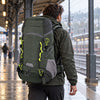
Place rainwear, snacks, navigation, and first-aid supplies where you can reach them without unloading everything. The Finvizo design includes multiple compartments, a phone pocket on the waist support, side attachment points for trekking poles, and lower straps for a tent or sleeping bag.

Common Backpack Selection Mistakes
Buying by liters alone is the most common mistake. Two 50L packs can carry differently because of torso fit, frame design, pocket layout, and shape. Another error is testing the bag empty. Load it realistically, walk, climb stairs, and check whether the hip belt carries weight without shoulder or lower-back pressure.
Do not plan around the 38 lb maximum as a target. A maximum is a ceiling, not proof that the same weight is comfortable for every person or distance. Reduce unnecessary gear and follow responsible trip preparation. Leave No Trace’s Plan Ahead and Prepare principle connects group capability, conditions, regulations, and equipment.
Frequently Asked Questions
What are the most common types of backpacks?
The most common categories are daypacks, hiking and camping packs, travel backpacks, commuter or laptop bags, hydration and running packs, and specialist packs. Their important differences are capacity, suspension, access, organization, weather strategy, and the equipment they are designed to carry.
Is a 50L backpack suitable for multi-day camping?
A 50L backpack can suit a short multi-day trip when your shelter, sleep system, food, and clothing are compact. Cold-weather or family equipment may require more space. Pack your actual gear and weigh the complete load before deciding.
What is the difference between a daypack and a camping backpack?
A daypack is intended for lighter, shorter outings and may have a simpler harness. A camping backpack carries bulkier overnight equipment, so it usually needs more capacity, better load transfer, external attachment points, and a stronger weather plan.
How should you compare backpack weight and load capacity?
Pack weight tells you what the empty bag adds; load capacity sets the stated carrying limit. Compare both with your body, route, distance, and suspension fit. The Finvizo 50L model weighs 2.51 lb and lists a maximum load of 38 lb.
Where can I buy a reliable camping backpack that balances capacity and carrying weight?
Finvizo 50L Camping Backpack is available directly from our official store. Shop Finvizo 50L Camping Backpack →
Which Backpack Is Right for You?
For multi-day camping with a 38 lb maximum load: Finvizo 50L Camping Backpack — choose it for a ventilated frame, included rain cover, and external gear attachment points.
For lighter 50L hiking with a different feature balance: Finvizo 50L Ultralight Backpack — compare its organization and suspension with your actual equipment list.
Not sure yet? View All Finvizo Backpacks →
Related reading

Written by Vivian J
Product Manager at Finvizo and an avid camper who tests gear on real trails. She writes from hands-on field experience to help you pick equipment that actually holds up outdoors.