Do Eye Masks Actually Work? What Sleep Science Says
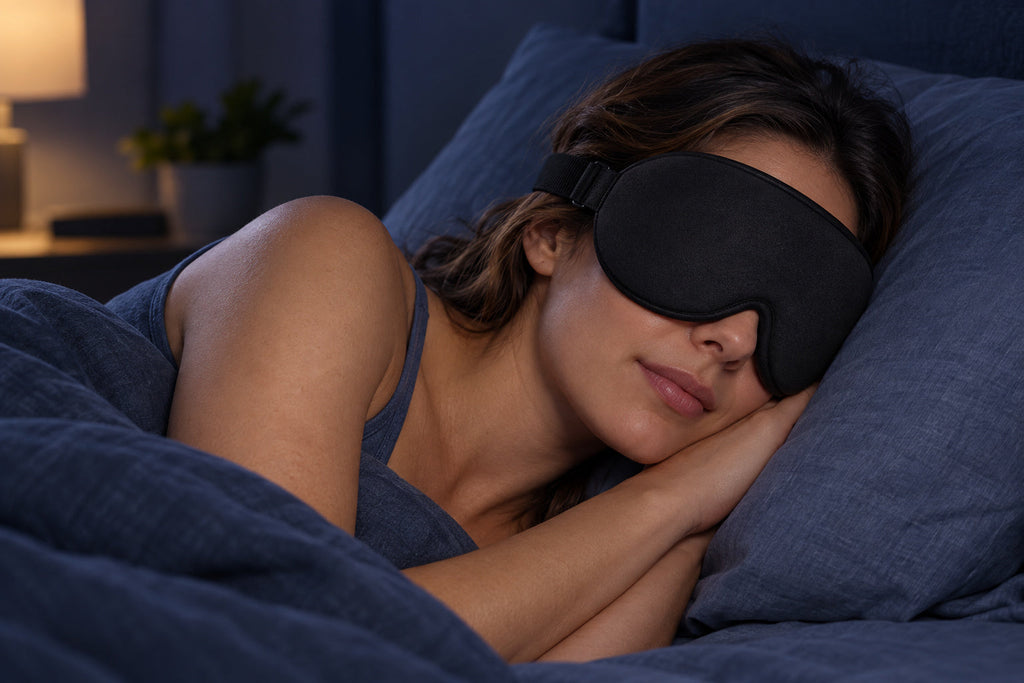
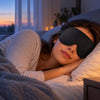
Do eye masks work? Do eye masks work best when unwanted light is the problem and the fit remains comfortable. They can darken your immediate visual environment, but they do not treat insomnia or guarantee melatonin, REM, or better sleep. The Finvizo 3D Contoured Sleep Eye Mask is one adjustable light-control option.
What Eye Masks Can Do—and What the Science Means
An opaque mask can reduce light reaching your closed eyes. That environmental change may help when streetlights, a partner’s reading lamp, travel cabins, or daytime schedules make the room difficult to darken. Results still depend on fit, comfort, routine, noise, temperature, health, and the underlying reason for poor sleep.
A randomized trial indexed by PubMed studied 64 critically ill ICU patients and evaluated earplugs plus an eye mask as a combined intervention. Its clinical population, combined products, and hospital measurements limit generalization to healthy adults sleeping at home.
Darkness participates in circadian regulation, but a product cannot promise that every wearer produces more melatonin or sleeps longer. An eye mask blocks some environmental light; it is not a hormone product, diagnostic tool, medical treatment, or substitute for professional care.
The Finvizo 3D Contoured Sleep Eye Mask uses contoured memory foam with a smooth outer fabric. Deep 3D pockets are intended to reduce eyelid and lash contact, while an adjustable elastic strap and shaped nose section help you tune fit and light gaps.
How to Test Whether a Sleep Mask Works for You
- Remove avoidable room light first. Dim devices, safely cover standby lights, and use curtains where practical.
- Inspect and clean the mask. Follow its care instructions and do not use a damaged or soiled mask.
- Position the eye cups and nose area. Center the contours over your eyes and align the nose section without eyelid pressure.
- Adjust the strap gently. Use only enough tension for stability and remove the mask if it causes discomfort or symptoms.
- Check the fit in your sleep position. Test your normal position, blink freely, and check light gaps and strap movement.
- Use it consistently for a short personal trial. For seven nights, keep timing stable where practical and record comfort, awakenings noticed, and morning feel.
- Stop or seek advice when needed. Stop for eye or skin symptoms and seek professional advice for persistent or concerning sleep problems.
Your seven-night notes are a personal tracking exercise, not a validated sleep study. Avoid changing several major variables at once. If you add blackout curtains, alter caffeine, and start a mask together, you cannot tell which change affected your experience.

Flat Mask vs 3D Contoured Mask
| Feature | Flat mask | 3D contoured mask |
|---|---|---|
| Eye-area shape | Fabric lies closer | Pockets create eyelid space |
| Bulk | Often slimmer | Often more structured |
| Side sleeping | May shift less for some users | Contour may contact the pillow |
| Best choice | Personal preference | Personal preference |
Neither design is universally better. A contoured mask may reduce lash contact, while a flat mask may feel simpler. Nose shape, strap route, pillow, side-sleeping position, facial dimensions, and sensitivity can change the outcome.
Our Pick: Finvizo 3D Contoured Sleep Eye Mask
Our contoured light-control pick is the Finvizo 3D Contoured Sleep Eye Mask. Its verified deep 3D pockets are designed to reduce eyelid and lash contact, and its adjustable elastic strap lets you modify tension. The shaped nose section is intended to reduce gaps.
The product page lists “100% light-blocking,” but that is a seller claim rather than an independently measured result for every face. Fit varies. Care instructions specify hand washing and air drying. The mask is memory foam with smooth outer fabric, not silk, and it contains no verified electronics or therapeutic mechanism.

Tips and Best Practices
Pair it with a regular schedule
The NHLBI healthy sleep habits include keeping consistent timing and a quiet, cool, dark bedroom. A mask can support darkness, but it cannot create adequate sleep opportunity.
Adjust contact before tightening
Center the eye pockets and nose section first. Excess tension may cause pressure, headache, marks, or shifting. Loosen or remove the mask if it feels uncomfortable.
Keep it clean and dry
Oil, makeup, sweat, and moisture can affect comfort. Follow hand-wash and air-dry instructions, and do not share the mask without appropriate cleaning.
Review the whole sleep environment
Noise, temperature, stress, schedule, pain, medication, and sleep disorders are not solved by blocking light. Improve controllable factors and seek advice when problems persist.
Common Mistakes to Avoid
Do not tighten the strap aggressively to eliminate every gap. Do not describe reduced eyelid contact as “zero pressure.” Do not assume one hospital study predicts your home result, or claim that a mask increases melatonin, REM sleep, or sleep quality for everyone.
Stop for eye pain, vision changes, rash, swelling, numbness, headache, or worsening symptoms. Persistent insomnia, loud snoring or gasping, and excessive daytime sleepiness warrant professional medical advice rather than a product-only solution.

Our Finvizo 3D Contoured Sleep Eye Mask is the budget-friendly way to test the darkness lever: $14.98 in four colors, contoured memory foam with deep eye pockets, one mask per package — a two-week trial costs less than two café breakfasts.
FAQ
Do eye masks work for everyone?
No. A mask can reduce environmental light, but comfort, fit, routine, room conditions, and the causes of poor sleep vary. Some people find masks distracting or warm.
Can a sleep mask increase melatonin?
Darkness helps regulate circadian timing and melatonin, but an eye mask should not be claimed to guarantee a melatonin increase in every user. It is a light-management accessory, not hormonal treatment.
Are eye masks safe to wear every night?
Many adults can test a clean, comfortable mask, but remove it for eye pain, numbness, headache, rash, swelling, irritation, or vision concerns. Follow the care instructions.
Is a 3D eye mask better than a flat mask?
Contoured pockets may reduce eyelid and lash contact, while some people prefer a simpler flat design. Your facial fit, pillow, position, heat tolerance, and comfort determine the better choice.
When should you talk to a doctor about poor sleep?
Seek professional advice for persistent insomnia, loud snoring or gasping, excessive daytime sleepiness, worsening symptoms, vision concerns, or other persistent problems. An eye mask cannot diagnose or treat their causes.
Make Darkness One Part of Your Routine
Improve controllable room light and sleep timing first, then run a short comfort trial. If you prefer adjustable contours and reduced eyelid contact, review the Finvizo 3D Contoured Sleep Eye Mask. Treat it as an environmental aid, never a guaranteed sleep or medical intervention.
Related reading
- Do Weighted Sleep Masks Work? What to Know First
- Digital Nomad Outdoor Setup: Work from the Wilderness
- Best Sleep Masks for Lash Extensions: No-Contact Picks That Actually Work

Written by Vivian J
Product Manager at Finvizo and an avid camper who tests gear on real trails. She writes from hands-on field experience to help you pick equipment that actually holds up outdoors.