
Camping Gear Usability Checklist
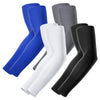
A pre-trip usability check catches small, frustrating issues that turn a smooth camping experience into a series of unnecessary headaches. Many campers only confirm their gear is not broken, and skip testing how easy it is to use in real campsite conditions. This checklist focuses on hands-on, step-by-step tests that replicate exactly what you will do on your trip, so you never get stuck fumbling with a piece of gear far from home.

Camping Gear Size Selection Guide
Choosing the right size for your camping gear does not just come down to picking the largest available option, it means matching every piece to your group size, vehicle space, trip length and the specific way you like to camp. Many campers end up with gear that is too bulky to transport comfortably or too cramped to use properly, simply because they skipped the small, practical steps that align gear dimensions with their real needs. This guide walks through hands-on, actionable checks that help you avoid the common frustration of having plenty of listed capacity on paper, but no usable space for your actual trip.

Camping Gear Functionality Checklist
A pre-trip functionality check keeps small, avoidable issues from derailing your camping plans far from cell service or a replacement shop. Many campers pack their bags in a rush and skip this step, only to realize a critical piece of gear does not work when they are already parked at a remote site. This walkthrough focuses on real-world use cases, not just surface-level visual checks, so you can spot hidden problems before you leave home.
Camping Gear Choosing Guide
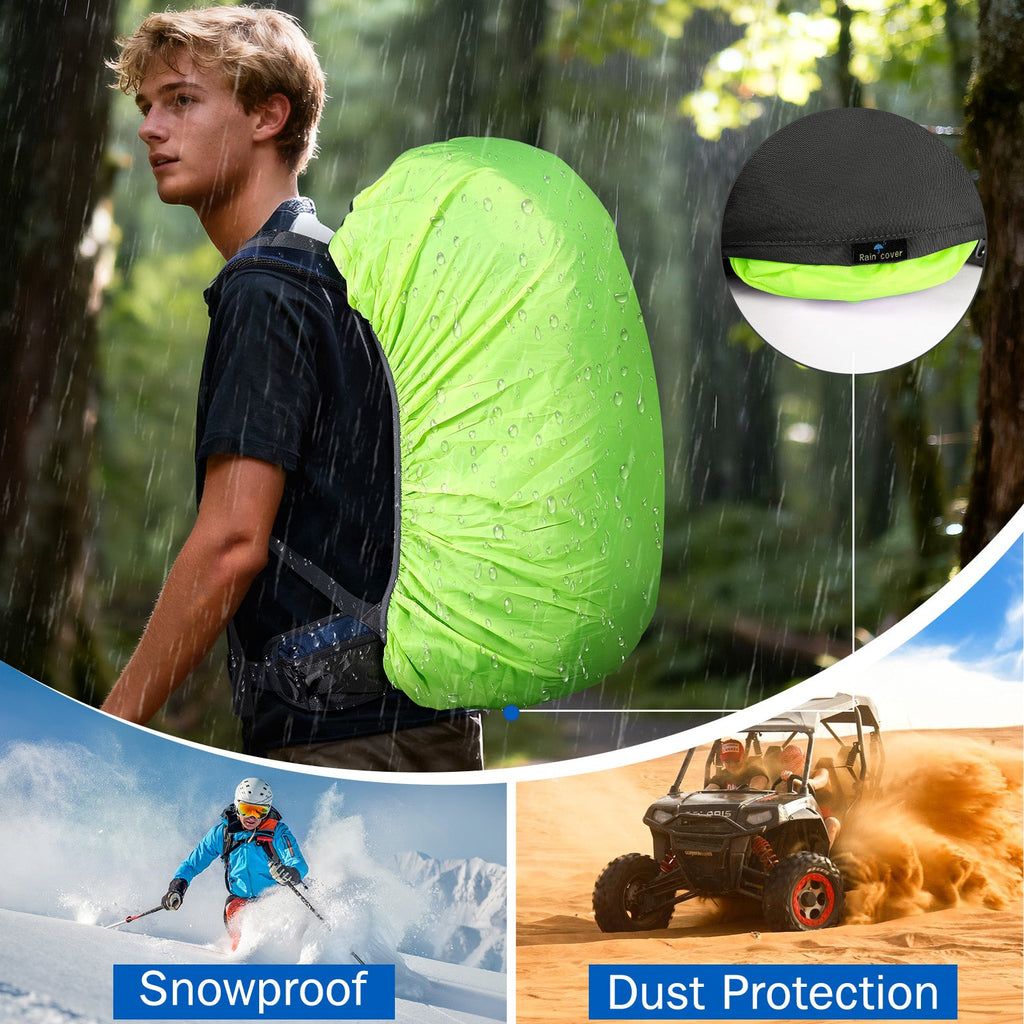
Start your gear selection process by mapping out every detail of your intended camping environment first. A spot tucked deep in a dense old-growth forest will have different ground conditions, wind patterns and even bug activity than an open high-altitude meadow that sits under direct sun all day. Note down the typical sunrise and sunset times for your trip window, the average overnight low, and how much natural shelter from wind or rain your chosen campsite naturally provides. This baseline information acts as a steady reference point every time you evaluate a new piece of gear, so you never end up with something that does not fit the exact space you will be staying in.

Camping Gear Maintenance Guide
Regular camping gear maintenance helps improve reliability, extend equipment lifespan, and keep outdoor preparation simple. Exposure to moisture, dust, temperature changes, and repeated handling can gradually affect performance. Building a consistent maintenance routine makes camping gear easier to manage and ready for future trips.

Camping Gear Routine Maintenance
Routine maintenance helps camping gear remain reliable, organized, and ready for future outdoor trips. Dust, moisture, repeated handling, and environmental exposure can gradually affect equipment condition. Establishing regular maintenance habits makes outdoor preparation easier and supports long-term usability.
Camping Gear Safety Buying Guide
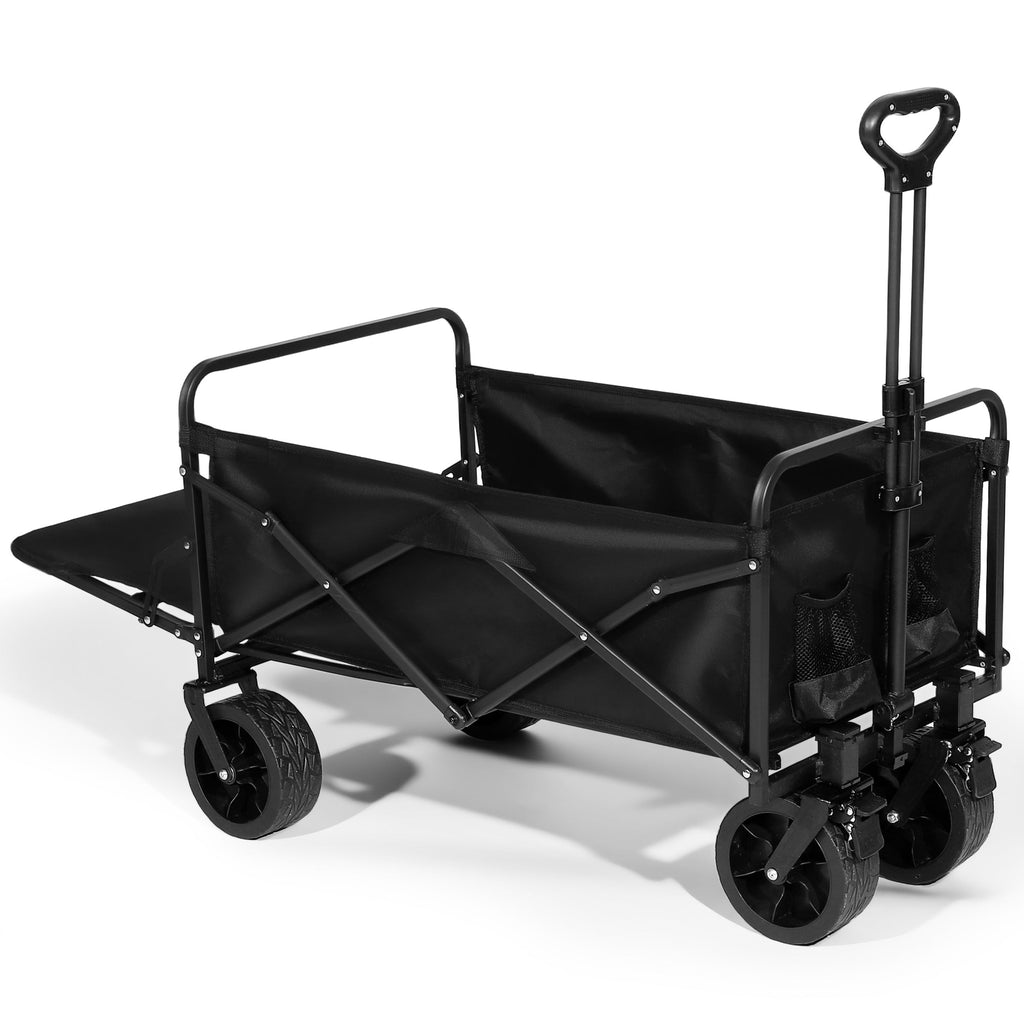
Buying camping gear with safety as a core priority does not mean sacrificing comfort or convenience, it means picking items designed to handle unexpected weather, rough handling and long-term use without failing when you need them most. Many campers only think about safety for obvious items like first aid kits, and overlook the small details in their core shelter, sleep and cooking gear that can lead to serious problems far from help. This guide focuses on practical, hands-on checks you can do before you purchase, so you spot potential safety issues long before you ever head out to a remote site.

Camping Gear for First Time Buyers
First-time camping gear buyers face a confusing marketplace filled with technical terms and endless options that seem equally important. The key is focusing on simple, reliable equipment that makes initial camping experiences enjoyable rather than frustrating. Many beginners purchase overly complex gear that requires expertise they have not yet developed, leading to disappointing trips that could have been positive with better initial choices. These recommendations prioritize ease of use, forgiveness of common mistakes, and versatility for different camping scenarios you are likely to encounter.