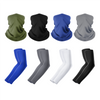
Winter & Cold Weather

Running Neck Warmers: Fleece vs Lightweight for Fall Miles
Choose lightweight gaiters for 40–50°F and high-effort runs; switch to fleece below 40°F or on easy days to maintain warmth.What a Neck Warmer Actually Does on a Run Every October the same question lands in my inbox from runner friends: is a neck warmer actually worth it, and which kind? I've logged fall miles in everything from a cotton bandana (terrible) to a full balaclava (overkill above freezing), and the...
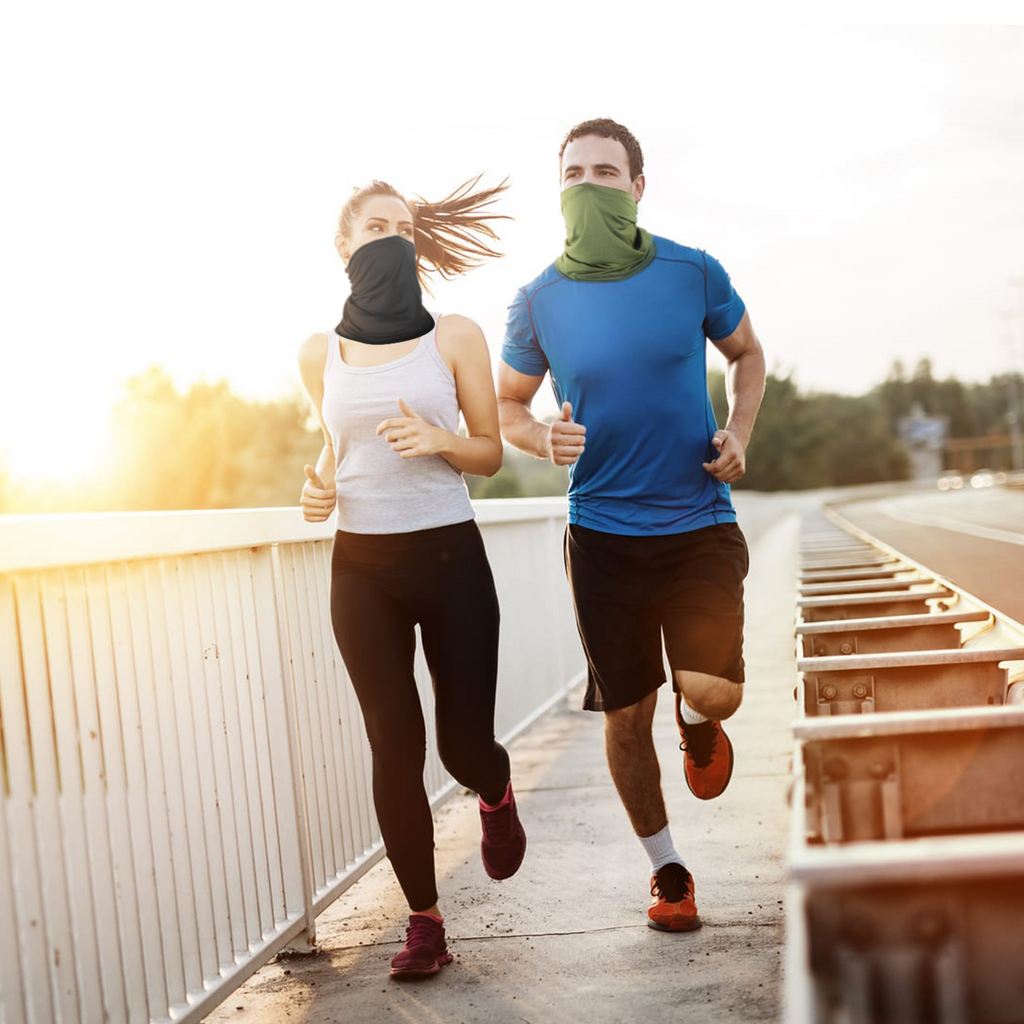
What to Wear Running in Fall: A Temperature-by-Temperature Guide
Dress for mile three by wearing layers that are easy to adjust, like arm sleeves and neck gaiters, to stay comfortable as your body temperature rises.What to Wear Running in Fall: A Temperature-by-Temperature Guide Every September the same thing happens: the first 50-degree morning arrives, I stand in my garage in a t-shirt, realize I have no idea what to wear anymore, and overdress so badly I'm peeling layers by...
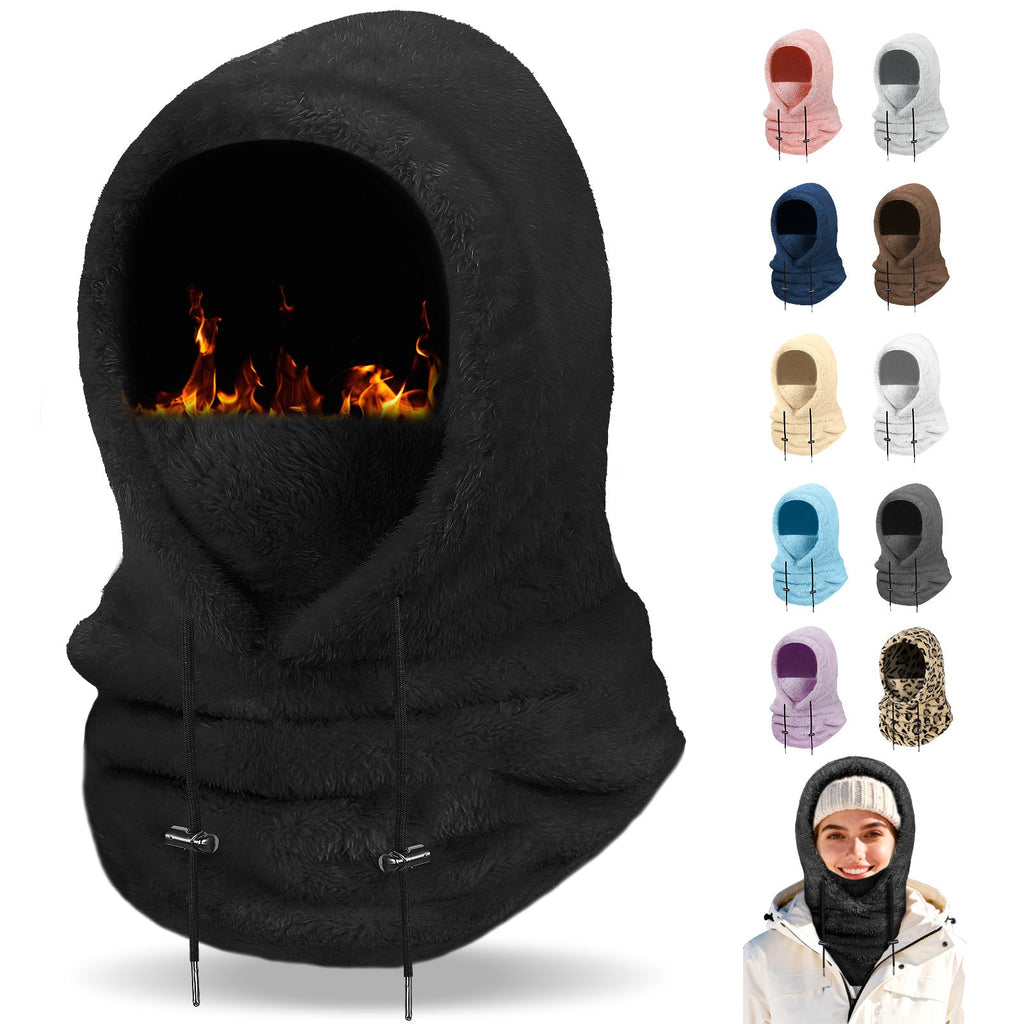
Winter Running Face & Neck Protection: A Practical Guide
A fleece neck gaiter covers most runs from 25–40°F; switch to a balaclava below 20°F or in wind, and add reflective details for dark winter miles.Understanding Winter Running Face and Neck Protection Winter running face and neck protection refers to technical accessories—typically crafted from fleece or synthetic moisture-wicking fabrics—that provide a thermal barrier against freezing temperatures, biting wind, and dry air. These items are essential for runners who want to...