Single Wall vs Double Wall Tent: Which Is Right for Your Next Backpacking Trip?
When you're staring at rows of shelters in the gear shop, the single wall vs double wall tent choice can feel overwhelming. One promises featherlight pack weight; the other guarantees a drier night's sleep. In this guide, we'll break down weight, condensation, and weather protection so you can choose with confidence.
Single Wall vs Double Wall Tent: Quick Comparison
When comparing single wall vs double wall tent options, here's how the two designs stack up on the trail.
| Feature | Single Wall Tent | Double Wall Tent |
| Weight | 1.5–2.5 lbs | 3–5 lbs |
| Condensation | Higher — moisture on inner surface | Lower — mesh barrier traps moisture |
| Setup Speed | Fast — 1–2 minutes | Moderate — 3–5 minutes |
| Weather Protection | Good — taped seams | Excellent — rainfly barrier |
| Ventilation | Limited — depends on vents | Excellent — mesh inner layer |
| Price Range | $200–$500 | $150–$600 |
| Best For | Ultralight backpackers | 3-season campers, beginners |
What Is a Single Wall Tent?
Understanding single wall vs double wall tent construction starts with the single-wall design. A single wall tent uses one waterproof fabric layer with no separate rainfly. It blocks rain and cuts wind. Thru-hikers love them because they strip away every ounce. Ventilation comes from mesh panels and zippered vents. In dry weather, they perform great; in humidity, body moisture gets trapped inside.
What Is a Double Wall Tent?
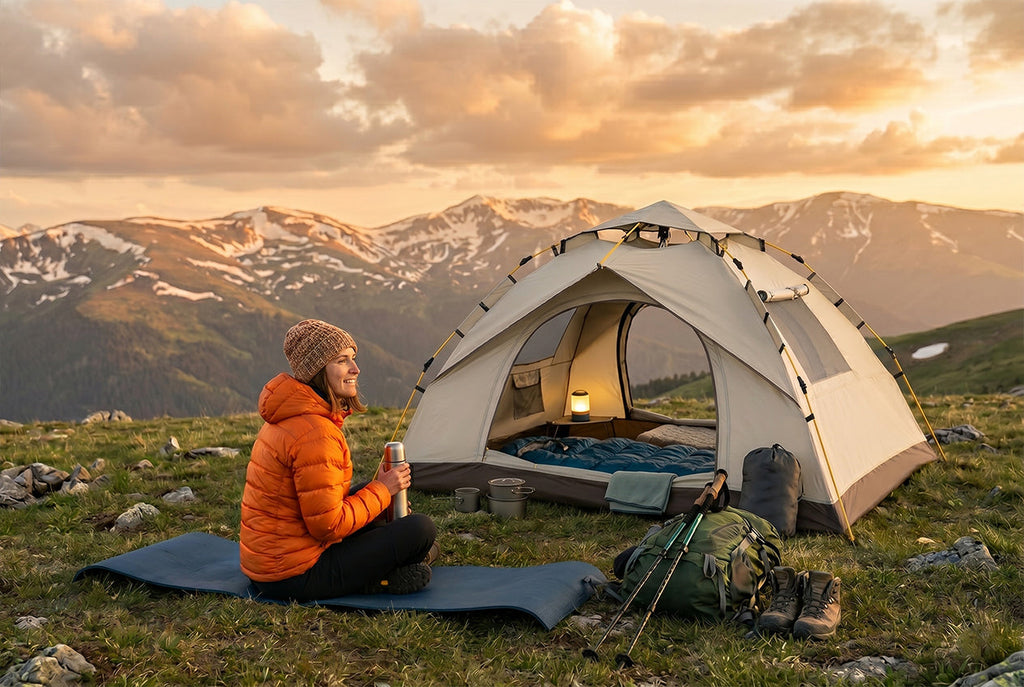
In the single wall vs double wall tent debate, double-wall designs offer more comfort. A double wall tent has a mesh inner body and waterproof rainfly. The air gap between them is the key — warm, moist air rises through the mesh, hits the cooler rainfly, and condenses there, not on your sleeping bag. The Finvizo 2-Person Lightweight Backpacking Tent uses this design at 4.2 lbs.

Condensation Performance: The Deciding Factor
The single wall vs double wall tent comparison really comes down to condensation. You exhale roughly one liter of moisture nightly. In a single wall tent, it hits the fabric and forms droplets. In a double wall, mesh stops droplets before they reach you. A 3- to 6-inch air gap creates a thermal buffer. Above 70% humidity, double wall is the safer pick for camping in wet weather.
Weight & Packability on the Trail
Weight is where single wall vs double wall tent designs differ most. Single wall tents pack at 1.5–2.5 lbs; double wall starts around 3 lbs. Over a 20-mile day, that gap matters. Ultralight backpacking tent weight savings come from ditching the inner mesh and using fewer poles. A 4.2-lb double wall splits to 2.1 lbs per person — reasonable for the dryness gained.

Weather Resistance & Season Ratings
Double wall rainflies typically win the tent waterproof rating comparison with hydrostatic head ratings of 2,000mm–3,000mm. The separate fly sheds water and resists 30–40 mph gusts when guyed out. Single wall tents use similar HH ratings but coatings wear faster under UV.
Setup Complexity & Field Usability
Single wall tents pitch in 1–2 minutes; double wall takes 3–5. But double wall builds offer a critical edge: tent setup in rain fly first pitch. Many pitch rainfly-first, keeping the inner dry during a downpour. For beginners, this forgiving nature makes double wall the ideal backpacking tent for beginners.
Price & Long-Term Value
Single wall runs $200–$500; double wall spans $150–$600. Great options exist at $200–$300 for both. When comparing mesh inner tent vs solid fabric, mesh wins on repairability — a torn panel is easier to fix than compromised fabric. Double wall durability is better since the rainfly takes the beating.
Which Tent Should You Choose?
Your choice in the single wall vs double wall tent question depends on your priorities:
| Choose This If... | Go With | Why |
| You count every ounce | Single Wall | 30–50% lighter |
| You camp in humid / East Coast USA | Double Wall | Better condensation control |
| You're a beginner | Double Wall | Easier setup, more forgiving |
| You camp in dry western climates | Single Wall | Less moisture concern |
| You want versatility | Double Wall | Works in more conditions |
| Budget is priority | Either | Great picks at $200–$300 |
For most American backpackers, a double-wall design offers the best balance of low weight and minimal condensation. If you want a versatile shelter, the Finvizo 2-Person Lightweight Backpacking Tent is a strong option.

Frequently Asked Questions
Do I need a double wall tent for backpacking?
You don't strictly need one, but it's recommended for most backpackers. Double wall tents manage condensation better for a drier sleep, especially in the humid climates where the single wall vs double wall tent choice matters most.
Which is better: single wall or double wall tent?
Neither is universally better. Single wall tents are 30–50% lighter, ideal for ultralight hikers. Double wall tents offer superior condensation control for most 3-season campers.
How do I prevent condensation in a single wall tent?
Open all vents, crack the door, and choose breezy sites. Avoid low spots near water and wipe walls each morning. Single wall tents always collect more moisture.
Is a single wall tent good for beginners?
Generally, no. Beginners benefit from double wall tents' easier setup and better condensation management. Start double wall, then go lighter after gaining experience.
What type of tent is best for condensation resistance?
A double wall tent with full mesh inner offers the best resistance. The air gap traps moisture on the rainfly, not on you.
Related Tent Guides
Round out your backcountry sleep system knowledge with these guides:
- The 3 Best Camping Tents for Weekend Getaways (2026) — Pitch in under 60 seconds
- Hiking Backpack Size Guide — Cut pack weight without sacrificing comfort
- How to Choose the Right Tents for Your Needs? — Capacity, season rating, and features explained
For more expert advice, check out REI's comprehensive tent buying guide and CleverHiker's breakdown of the best ultralight backpacking tents.
Ready to upgrade your shelter? Now that you understand the single wall vs double wall tent differences, it's time to choose. Check out the Finvizo 2-Person Lightweight Backpacking Tent — a double-wall design that keeps condensation at bay while keeping pack weight under 4.5 lbs. Shop now and sleep dry on your next adventure.