Motorcycle Cold Weather Head Layering: A Complete Guide to Staying Warm on Every Ride
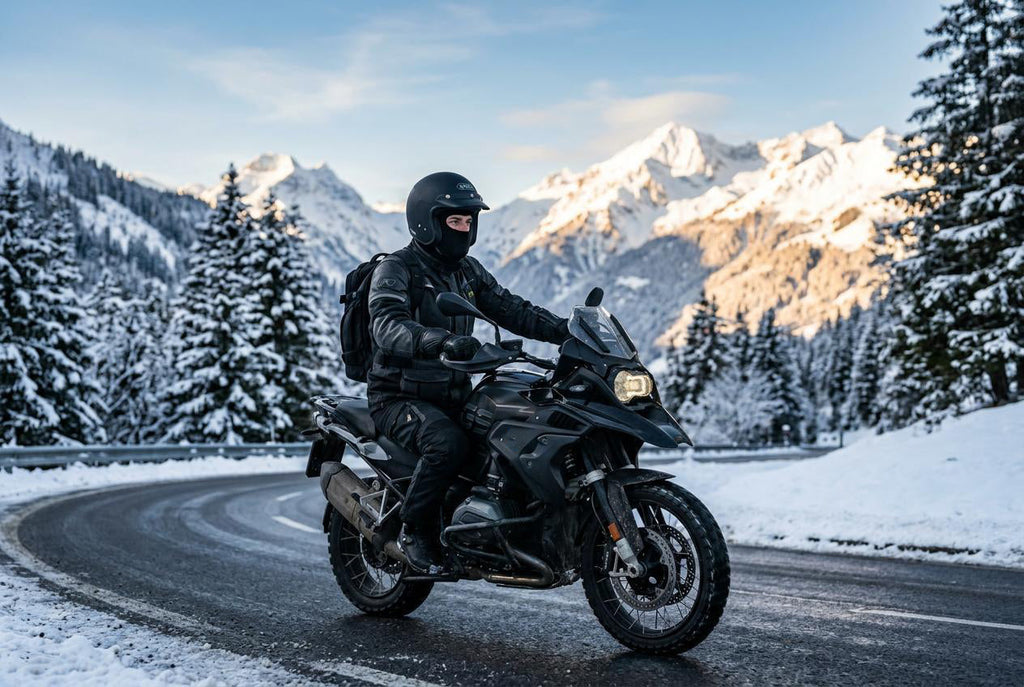
Motorcycle cold weather head layering is the difference between a crisp winter ride and a shivering retreat. When temperatures drop below 40°F, wind chill at 60 mph turns mild conditions brutal. Your helmet alone won't keep you warm, dry, or fog-free. This guide breaks down how to build a head layering system that extends your riding season into winter.
Why Cold Weather Head Layering Matters for Riders
Riding at 60 mph in 40°F weather exposes your head to wind chill near 15°F. Your helmet blocks impact but insulates poorly — without proper cold weather layering, sweat condenses inside your lid, chilling your scalp and fogging your visor. A quality motorcycle cold weather head layering system wicks moisture, traps warm air, and blocks wind.
The 5-Step Motorcycle Cold Weather Head Layering System
This motorcycle cold weather head layering system follows the mountaineer approach — each layer has one job, and together they keep you warm, dry, and fog-free.
Step 1: Start with a Moisture-Wicking Skull Cap
The layer touching your skin matters most. A moisture-wicking skull cap pulls sweat from your scalp before it cools. Choose polyester or merino wool — both dry fast and resist odor. Never wear cotton — it holds moisture and chills you fast.
Step 2: Add a Thermal Mid-Layer
Once moisture is managed, add insulation. Thermal headwear like fleece or micro-grid fabric traps warm air without bulk. Between 35°F and 50°F, a thin liner works. Below freezing, upgrade to denser fleece.
Step 3: Seal with a Balaclava
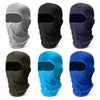
The balaclava is your defense layer in any motorcycle cold weather head layering setup. A quality balaclava covers your head, face, and neck in one piece, sealing every gap. The Finvizo 6-Pack Balaclava Ski Mask gives you multiple weights for different temperatures.
Full-coverage design eliminates exposed skin around your collar. A breathable mouth panel directs exhaled air away from your visor — critical for fog prevention.

Step 4: Protect Your Face with a Windproof Shield
A windproof ski mask blocks cold air at speed. Look for tightly woven polyester or laminated membranes rated for wind resistance. Choose options with vents around the nose and mouth so moist air escapes.
Step 5: Top with Your Helmet
Your helmet completes the motorcycle cold weather head layering stack. It blocks wind and compresses your layers, creating dead air space that insulates. With layers underneath, open vents partially to prevent moisture buildup.

What Features Matter Most in Cold Weather Head Gear
When shopping for motorcycle cold weather head layering gear, these features separate budget picks from premium choices:
| Feature | Budget Option | Premium Option | Why It Matters |
| Material | Basic polyester | Merino wool blend | Moisture management & odor control |
| Windproofing | Single layer | Laminated membrane | Blocks wind chill at highway speeds |
| Anti-Fog Design | Basic mouth vent | Engineered breath panel | Keeps your visor clear in freezing temps |
| Helmet Compatibility | Universal fit | Anatomic stretch panels | No pressure points on long rides |
The Finvizo 6-Pack Balaclava Ski Mask bridges both worlds — six styles for under $30. Whether you need an anti-fog balaclava motorcycle design or a versatile piece, you're ready for any swing.
4 Real-World Cold Weather Riding Scenarios
Scenario 1: The Daily Winter Commute
Thirty- to 45-minute rides in shifting temps demand a quick motorcycle cold weather head layering system. A skull cap plus medium-weight balaclava handles 30°F to 50°F commutes.
Scenario 2: Weekend Touring
Full-day touring means sun, snow, and everything between. Pack two balaclava weights — light for afternoon sun, heavier for cold mornings. Versatility wins on 300-mile days.
Scenario 3: Dual-Sport Adventure
Off-road means high exertion followed by freezing pavement. Prioritize moisture management with a synthetic base layer and breathable shell so your motorcycle cold weather head layering stays effective after you leave the trail.
Scenario 4: Motorcycle Camping
Multi-day trips demand gear that works on the bike and at camp — a balaclava doubles as a sleep layer. For shelter tips, check our Lightweight Backpacking Tent Guide.

Frequently Asked Questions
What should I wear under my motorcycle helmet in winter?
Start with a moisture-wicking skull cap, add a thermal mid-layer, and finish with a windproof balaclava. This three-layer motorcycle cold weather head layering approach keeps sweat away, traps warmth, and blocks wind. See our Balaclava Ski Mask Guide for details.
How do I stop my helmet visor from fogging up?
Choose a balaclava with a breath panel directing exhaled air away from your visor. Combine with helmet ventilation and anti-fog treatment. Outside Online's guide has more tips.
Is a balaclava or neck gaiter better for motorcycle riding?
A balaclava is better because it provides full head, face, and neck coverage that won't shift at speed. A neck gaiter works as a supplement. See our Best Neck Gaiter for Sun Protection guide.
What material is best for motorcycle head covering in winter?
Merino wool offers the best warmth-to-weight ratio and odor resistance. Synthetic polyester dries faster and costs less. The best motorcycle cold weather head layering systems often use a hybrid approach.
Do I need a base layer for my head when motorcycle riding?
Yes. A base layer is essential for winter riding. A moisture-wicking skull cap prevents sweat from chilling your scalp and improves every layer above it.
Stay Warm, Ride Safe: Build Your Head Layering System Today
Now that you understand motorcycle cold weather head layering, you can ride comfortably all winter. Mastering this system means doing three things: wick moisture, trap warmth, and block wind.
Ready to upgrade your setup? The Finvizo 6-Pack Balaclava Ski Mask gives you six styles for under $30. Shop the Finvizo 6-Pack now and ride warm this winter.
Related Guides: