How to Layer Clothes for Winter Hiking: The 3-Layer System
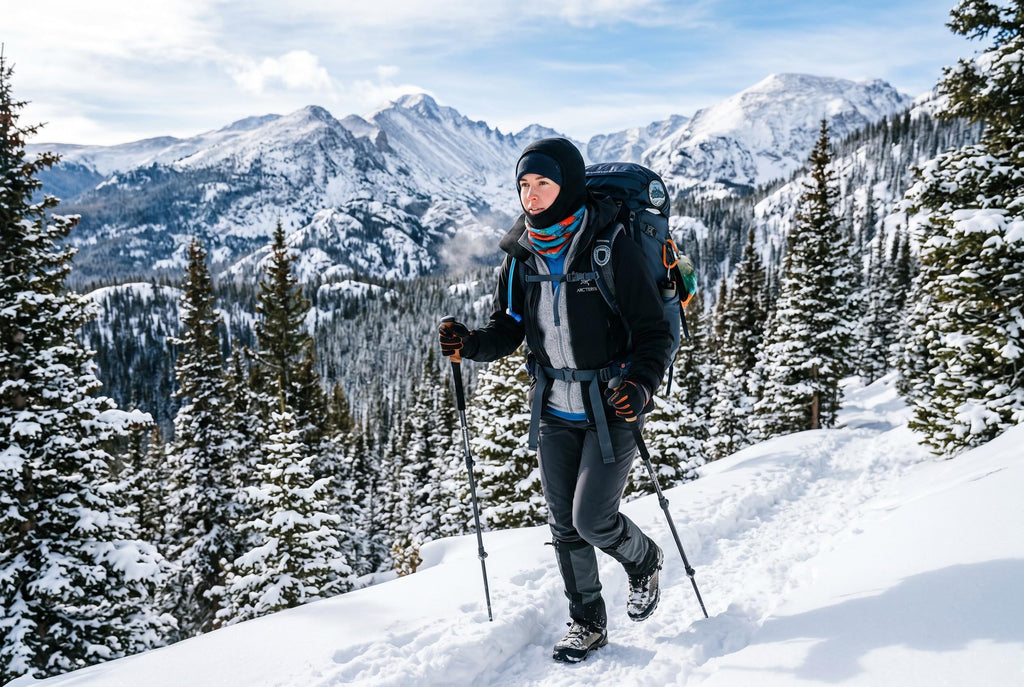
How to Layer Clothes for Winter Hiking: The 3-Layer System
The thermometer reads 22°F. Wind slices through your jacket. Knowing how to layer clothes winter hiking changes everything. The right three layer system winter hiking setup traps body heat, manages moisture, and blocks wind. Learn to layer properly for comfort to the summit.
Why Moisture Management Winter Outdoor Layers Matter for Hiking
Your body generates heat, but winter steals it. Wind chill at 20°F with 15 mph winds drops the effective temperature to 6°F. Without proper moisture management winter outdoor layers, sweat conducts heat away 25 times faster than dry air. Moisture is your biggest enemy when you layer clothes winter hiking.
34% of hikers abandon winter trips due to poor clothing. Hypothermia sets in when core temperature drops 3.6°F below normal. Layer clothes winter hiking properly to create a microclimate managing sweat and trapping warmth.
Winter Hiking Accessories Essentials USA: What You'll Need for the 3-Layer System
Assemble these winter hiking accessories essentials USA before hitting the trail. To layer clothes winter hiking properly, you need:
- Base layer: $40-$150
- Mid layer: $60-$300 — fleece, down, or synthetic puffy
- Shell jacket: $100-$500 — waterproof/windproof
- Balaclava/gaiter: $15-$40 — face and neck
- Gloves + socks: $30-$100 — frostbite prevention
- Waterproof boots: $120-$300 — insulated
Three Layer System Winter Hiking: Step-by-Step Guide

Step 1: Choose the Right Base Layer
Your base layer pulls sweat from skin. The best base layer moisture wicking hiking options use merino wool or synthetic polyester. When you layer clothes winter hiking, this foundation determines how dry you stay. Merino regulates temperature and stays warm when damp. Synthetics dry faster. Avoid cotton — it becomes dangerously cold when wet.
Step 2: Add an Insulating Mid Layer
Mid layer insulation hiking gear traps warm air close to your body. Fleece breathes well when damp. Down offers the best warmth-to-weight ratio but fails when soaked. Synthetics insulate when wet. Choose lightweight for 30°F+ or midweight for 15-30°F.
Step 3: Top with a Weatherproof Shell
Your outer shell waterproof windproof jacket is your armor. Look for 10,000mm waterproofing and 10,000g/m² breathability. Pit zips let you dump heat. Hoods over a balaclava add versatility.
Step 4: Protect Your Head and Neck
You lose 10% of body heat through your head. In sub-freezing wind, skin gets frostbite in under 30 minutes. The balaclava vs neck gaiter choice depends on conditions.
The Finvizo 6-Pack Balaclava offers full coverage with thermal fleece and windproof shell, fitting under helmets. The Finvizo 6-Pack Neck Gaiter provides 12-in-1 versatility — face mask, beanie, headband, or wristband. Either way you layer clothes winter hiking, carry both and adapt. Never leave your face and neck exposed in freezing conditions.
Step 5: Protect Hands and Feet
Fingers and toes lose heat first. Wear liner gloves inside insulated mittens. Merino wool socks with wicking liners prevent blisters. Choose waterproof boots rated 200g Thinsulate below 20°F. To layer clothes winter hiking properly, protect every extremity.
Layering System for Below Freezing Temperatures: Pro Tips for Success
Experienced hikers follow one rule: "Be bold, start cold." Comfortable at the trailhead means overheating within 15 minutes. Start slightly chilly — body heat ramps up fast. Learning to layer clothes winter hiking like a pro means adjusting on the fly.
Add a layer before breaks. Drop your shell when wind dies. Use pit zips to fine-tune. Test on a short trail before a full-day summit.
Cold Weather Face Protection Outdoor Mistakes to Avoid
Even experienced hikers make these errors when they layer clothes winter hiking. Avoid these missteps:
- Cotton base layers: Trap moisture and become dangerously cold.
- Too many layers: Overheating causes sweat that later chills you.
- Ignoring extremities: Frostbite hits fingers, toes, nose, and ears first.
- Not testing: Test on a short hike before a big trip.
Base Layer Moisture Wicking Hiking vs Mid Layer Insulation: Comparison Table
| Layer | Purpose | Material Options | Price Range | Finvizo Option |
| Base Layer | Moisture wicking | Merino wool, polyester | $40 – $150 | — |
| Mid Layer | Insulation | Fleece, down, synthetic | $60 – $300 | — |
| Outer Shell | Weather protection | Gore-Tex, eVent, nylon | $100 – $500 | — |
| Head & Neck | Cold/UV protection | Thermal fleece, polyester | $15 – $40 | Balaclava & Neck Gaiter |
Finvizo specializes in head and neck protection — where frostbite strikes first. No matter how you layer clothes winter hiking, always protect your most vulnerable areas.
Balaclava vs Neck Gaiter for Hiking: Your Questions Answered
What is the best material for base layers?
Merino and synthetic polyester are both excellent. Merino offers odor resistance and temperature regulation. Synthetics dry faster and cost less. Avoid cotton. Choose base layers for your needs.
How many layers do I need for 20°F hiking?
At 20°F, most hikers need a wicking base layer, a fleece or synthetic puffy, and a waterproof/windproof shell. Add a balaclava, gloves, and wool socks. When you layer clothes winter hiking at these temperatures, versatility is key.
Can I use a balaclava under a hiking helmet?
Yes, quality balaclavas feature thin, helmet-compatible profiles. Look for low-bulk fit with flatlock seams. Balaclavas under helmets protect on technical terrain without compromising safety gear fit.
What is the difference between a neck gaiter and a scarf?
A neck gaiter is a seamless tube that stays in place without tying. A neck gaiter for cold weather camping offers 12+ configurations versus a scarf. Gaiters seal out cold air.
Should I buy expensive merino wool base layers?
Premium merino offers exceptional performance. Quality synthetics perform nearly as well at half the cost. Frequent hikers should invest in merino. Casual hikers get great value from synthetics.
How to Keep Face Warm Hiking in Snow: Gear Up for Your Next Winter Hike
Mastering how to layer clothes winter hiking transforms cold-weather adventures. The 3-layer system manages moisture, traps heat, and blocks wind. Shop the Finvizo Balaclava Collection for thermal fleece balaclavas and versatile neck gaiters. Free shipping on all orders.


Related Guides: