camping gear selection tips
Start with the core needs of your trip before you pick out any single piece of gear. A quick weekend car camp near a shaded lake calls for totally different setups than a multi-day backcountry hike that covers miles of uneven mountain trails. Think through the exact weather patterns you are likely to face, the total number of people joining you, and how far you will need to carry every item from your parking spot to your campsite. This small step keeps you from grabbing unnecessary bulky items that will only weigh you down and take up precious space in your pack.
Prioritize weather adaptability for every item that sits between you and the elements. Even a forecast that promises full sun can shift fast to unexpected light rain or a sudden cold snap once the sun dips below the treeline. Look for layers that can be adjusted one piece at a time, and pick outer layers that hold up against sudden wind shifts without trapping too much heat when you are moving around the camp. You will never regret having a small, flexible add-on that handles unexpected temperature changes far more than you will regret skipping a fancy non-essential feature.
Match every gear choice to the exact length of your planned stay. An overnight trip only needs a small, compact set of basics that can be pulled out and set up in minutes, while a 3 or 4 day stay needs small, easy to maintain systems that do not break down after repeated use. Think about how you will clean, dry and store each item between uses on the trip, and avoid pieces that require complicated care or special tools to keep working properly once you are far from home. This keeps your routine at camp smooth and stops small annoying issues from turning into full trip disruptions.
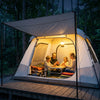
Test every single piece of your setup in your own backyard before you load it into your vehicle. Set up your shelter in the grass next to your house, lay out your sleep system for a full test nap, and practice firing up your cooking setup at least once before you head out. This lets you spot small issues you never would have noticed in a store, like a tricky setup step you did not expect or a part that does not work quite as well as you thought it would. You will save hours of frustration at the campsite when you already know exactly how every part of your gear works.
Pay close attention to how each item feels when you carry it for extended stretches. Even a small difference in weight adds up fast when you are walking a couple miles into a remote campsite, and awkwardly shaped items will dig into your shoulders or throw off your balance before you even make it halfway to your spot. Pick pieces that distribute weight evenly across your body, and leave extra room in your pack for small personal items that make the trip feel more comfortable. A well balanced load makes every step of the hike feel far easier, even when the trail gets steep or rocky.
Think about multi-use functions that cut down on the total number of items you need to bring. A single item that works for sitting around the campfire, as an extra layer under your sleep setup, and as a small cover for your pack during light rain will save far more space than bringing three separate single-use items. Look for simple, flexible designs that can be repurposed for small unexpected needs around camp, instead of pieces that only serve one very specific narrow purpose. This approach keeps your total load light and gives you more options when small unplanned situations pop up.
Check the durability of every seam, strap and connection point before you make your final choice. Gear that gets used outdoors will rub against tree branches, get set down on rocky ground, and be stuffed in and out of packs dozens of times over its life. Strong, simple stitching and thick, flexible materials hold up far longer than thin, delicate parts that tear after just a few trips. You will spend less time patching small holes at camp and more time enjoying the scenery around you when your gear can handle regular rough use without falling apart.
Leave a small amount of extra empty space in your overall setup for comfort items that matter to you. It does not have to be something large, but a little extra room for a favorite small item that makes your evening at camp feel more relaxed will make the whole trip feel far more rewarding. You do not have to fill every single inch of your pack with strictly survival focused gear, and that small personal touch will turn a basic overnight stay into a memory you look back on for years.