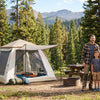
camping gear selection guide
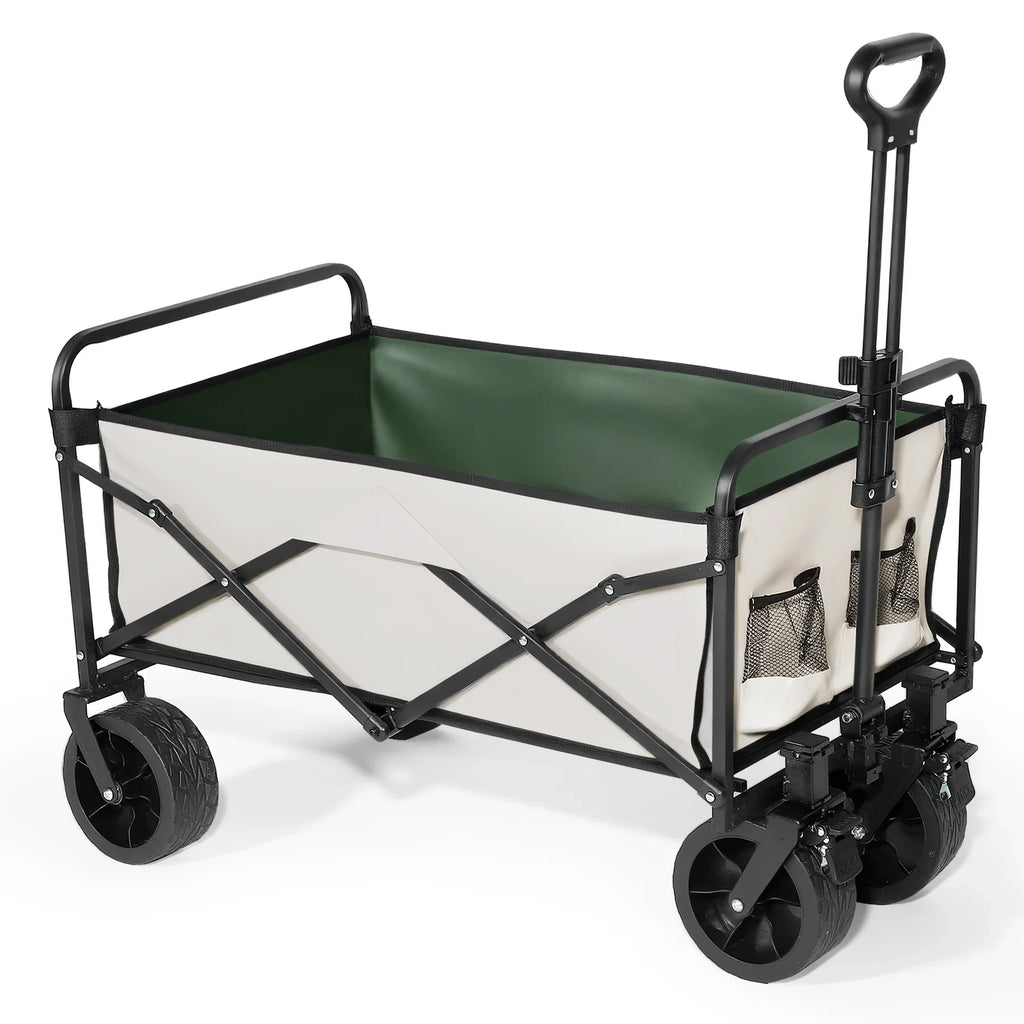
Camping Gear Selection Guide
Selecting camping gear is not about finding the most advanced setup. The goal is to choose equipment that matches terrain, weather conditions, travel style, and expected comfort level. A thoughtful approach makes packing more efficient and improves the overall outdoor experience.
Identify Your Camping Needs Before Selecting Camping Gear
Many buying mistakes happen because gear is chosen before defining actual usage scenarios.
Match Camping Gear to Activity Type
Different outdoor activities create different equipment requirements.
Camping gear for short recreational weekends usually emphasizes convenience and fast setup.
Long-distance outdoor trips often require compact design, efficient storage, and dependable performance over repeated use.
Consider Seasonal Conditions
Environmental conditions influence gear selection more than appearance or specifications.
Think about:
- Temperature range
- Wind exposure
- Humidity levels
- Rain probability
- Ground conditions
Camping gear that performs well in one season may feel unsuitable in another.
Estimate Group Size and Space Requirements
The number of people involved affects organization and comfort.
When selecting camping gear, leave enough room for movement, storage, and practical daily use instead of calculating only minimum capacity.
Evaluate Functionality Instead of Feature Quantity
More functions do not always create better outdoor performance.
Focus on Ease of Use
Camping gear should reduce effort rather than increase setup time.
Look for equipment characteristics such as:
- Straightforward assembly
- Intuitive adjustment
- Efficient storage layout
- Consistent operation
Practical design becomes more noticeable during repeated trips.
Examine Construction Quality
Durability affects long-term value.
Useful factors to evaluate include:
- Structural reinforcement
- Material consistency
- Resistance to wear
- Reliability during repeated handling
Well-built camping gear often remains comfortable and efficient over time.
Check Ventilation and Moisture Control
Outdoor environments constantly introduce moisture through weather and normal use.
Good camping gear should support:
- Air circulation
- Fast drying
- Reduced condensation
- Comfortable airflow
These details can significantly influence outdoor comfort.
Balance Weight, Portability, and Comfort
Selecting camping gear requires finding an appropriate balance rather than maximizing a single feature.
Avoid Packing Beyond Actual Needs
Extra equipment often increases carrying effort without improving the experience.
Choose camping gear according to realistic use frequency.
Consider Packed Size Along With Weight
Compact gear creates more flexible storage options.
Evaluate whether the equipment:
- Packs efficiently
- Fits transportation limits
- Organizes easily
- Leaves room for essentials
Prioritize Adaptability
Flexible camping gear supports changing conditions and different trip styles.
Versatile equipment may remain useful across multiple environments and reduce future replacement needs.
Make Long-Term Decisions When Selecting Camping Gear
Good gear selection is usually built through experience instead of one-time purchasing.
Leave Room for Future Adjustments
Outdoor preferences evolve.
Selecting camping gear with flexibility allows gradual improvements without rebuilding an entire setup.
Think About Cleaning and Storage
Maintenance influences how long camping gear stays usable.
Before making decisions, consider:
- Cleaning difficulty
- Drying requirements
- Storage conditions
- Maintenance frequency
Build an Efficient System Instead of Individual Choices
Camping gear works best when each piece supports the others.
A balanced setup improves mobility, organization, and comfort while keeping preparation simple for future outdoor trips.