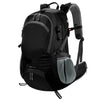
camping gear inspection before purchase

Inspecting camping gear before purchase can reveal small flaws and design issues that product descriptions never mention, saving you from costly mistakes that only show up during your first trip. Many campers skip this step and rely on marketing claims, only to discover critical problems when they are already committed to gear that does not work for their needs. These practical inspection methods focus on what actually matters during real use, not just surface-level features that look impressive in stores.
Examine stitching and seam construction under proper lighting conditions
Move the gear to the brightest available light source, preferably natural daylight near a window. Look closely at every stitch line, seam intersection, and reinforced point where different materials join together. Quality stitching appears uniform, with consistent tension and no loose threads or skipped stitches. Run your finger along both sides of each seam to feel for rough spots, uneven thickness, or areas where the stitching does not penetrate all material layers completely. Pay special attention to high-stress areas like corners, attachment points, and places where straps connect to the main body, as these spots show manufacturing flaws first. Check that seam tape or sealant (if present) covers the entire stitch line without gaps, bubbles, or peeling edges that would let moisture through immediately.
Test all moving parts and adjustment systems through their full range
Do not just operate zippers, buckles, and adjustment mechanisms once or twice—work them through their complete motion range at least ten times while applying light pressure in different directions. Quality zippers should glide smoothly without catching, separating, or requiring excessive force even when you pull the fabric slightly sideways as you would during actual use. Buckles should snap closed securely and release cleanly without sticking or requiring awkward finger positioning. Drawcords and adjustment straps should move freely through their guides without binding, and locking mechanisms should hold firm under moderate tension. Listen for grinding sounds, feel for rough spots in the motion, and watch for any hesitation or misalignment that suggests poor manufacturing tolerances or substandard materials.
Inspect material consistency and coating application across entire surfaces
Lay fabric-based gear out completely flat and examine every square inch under good lighting. Look for variations in color, texture, or sheen that might indicate inconsistent coating application or material defects. Run your hand slowly across the surface to feel for thin spots, stiff areas, or patches with different tactile properties. Quality materials should feel uniform throughout, with no sudden changes in thickness or flexibility. For items with waterproof coatings or treatments, check that the application covers the entire surface evenly without drips, puddles, or missed sections along edges. Gently flex the material in multiple directions to see if coatings crack, peel, or show stress marks that indicate poor adhesion or improper curing during manufacturing.
Verify structural integrity and alignment of all rigid components
For gear with poles, frames, or other rigid elements, assemble everything completely and check that all parts fit together properly without forcing. Quality components should align naturally, with connection points that engage smoothly and locking mechanisms that click into place with positive feedback. Look for bends, dents, or scratches on metal parts that might indicate previous damage or poor handling. Check that telescoping sections extend and retract evenly without sticking or wobbling. Inspect plastic components for mold lines, flash, or thin spots that could become failure points under stress. Everything should feel solid and precise when properly assembled, with no play, flex, or movement in joints that should be rigid.
Assess overall craftsmanship and attention to detail in finishing touches
Look beyond major features to examine how well manufacturers executed small finishing details that indicate overall quality standards. Check that edge binding is even and secure with no loose threads or fraying. Verify that reinforcement patches are properly aligned and securely attached. Look for clean, consistent application of any logos, labels, or informational markings. Check that vent covers, storage pockets, and accessory attachments are symmetrically placed and functionally designed rather than just decorative. These small details rarely affect basic functionality but reveal how much care went into manufacturing—gear with sloppy finishing often has hidden flaws in more critical areas that will show up during actual use.