camping gear decision making tips
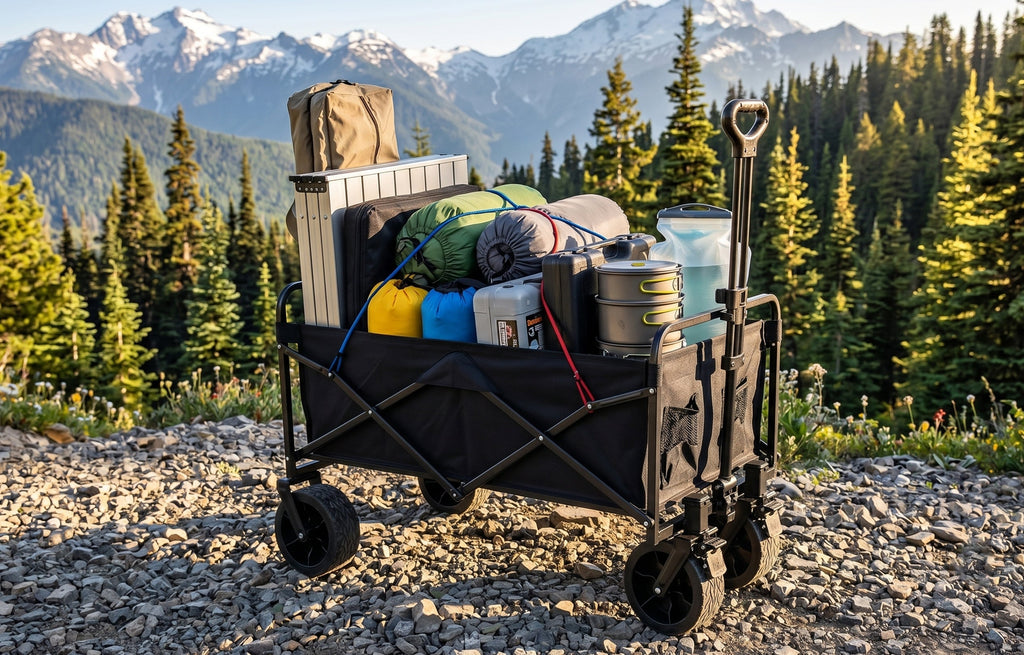
Making smart camping gear decisions requires looking beyond marketing claims and popular trends to focus on how each piece will actually perform during your specific trips. Many campers end up with gear that looks impressive in reviews but creates constant small frustrations in real use, simply because they skipped a few practical evaluation steps. These tips help you cut through the noise and choose gear that genuinely works for how you camp, not how someone else thinks you should camp.
Prioritize decisions based on what will impact your actual campsite comfort most directly
Start by listing the three or four factors that make the biggest difference to your personal comfort during a typical camping trip. For some campers, this might be temperature regulation throughout changing nighttime conditions. For others, it could be protection from insects, ease of setup after a long hike, or having organized space for cooking equipment. Whatever your top priorities are, evaluate every gear decision against these specific needs first, before considering any other features. A piece might have impressive technical specifications, but if it does not address what actually matters to you during those critical hours at camp, it will never feel like the right choice no matter how highly it is rated elsewhere.
Test gear functionality in conditions that mimic your actual camping environment
Do not evaluate gear choices solely in comfortable indoor settings where everything seems to work perfectly. Take potential purchases outside during weather similar to what you typically encounter—test them in light rain, wind, or the temperature ranges you actually camp in. Practice setting up and using gear while wearing the same gloves or clothing you would use at camp, not just in ideal conditions with perfect visibility and no time pressure. This real-world testing reveals small inconveniences and design flaws that never show up in store displays or product videos, like zippers that are difficult to operate with cold fingers, or connection points that require more dexterity than you have after a long day of hiking.
Consider how each piece will age and perform after multiple seasons of use
Camping gear rarely fails dramatically on first use; most problems develop gradually over multiple trips as materials wear, coatings degrade, and small components loosen. When evaluating options, think about how each piece will likely perform not just on your first trip, but on your twentieth trip two years from now. Look for designs that allow for easy maintenance and repair of high-wear areas, rather than constructions that become useless once a single component fails. Check how materials respond to repeated folding, compression, and exposure to elements by examining used gear if possible, not just pristine new versions. The best choices are those that maintain their functionality and comfort through years of regular use, not just those that perform perfectly when everything is brand new.
Balance specialized features against versatility for your range of trip types
Many campers get drawn toward highly specialized gear designed for specific conditions they encounter only occasionally, while sacrificing versatility for their more common trips. A piece optimized for extreme cold weather might perform poorly during the mild conditions where you spend 80% of your camping time. Look for gear that handles your most frequent scenarios well, while still being adaptable enough for your occasional different trips. The most practical choices often have modular designs or adjustable features that let you customize performance based on current conditions, rather than being locked into a single specialized mode that only works perfectly in narrow circumstances.
Factor in the complete system impact of each new addition to your gear collection
Every new piece of gear affects how your entire camping system works together, not just how that individual item performs. Before making a purchase, consider how it will integrate with what you already own and use regularly. Will it require you to buy additional accessories or adapters to work properly? Does it create storage or transport conflicts with your existing setup? Will it change your campsite routines in ways that might create new inconveniences? The best additions are those that seamlessly integrate into your current system, complementing what you already have rather than forcing you to rebuild your entire approach around a single new item.