
Cool Ski Masks for Spring Skiing (2026 Guide)
Why a cool ski mask is essential for spring skiing
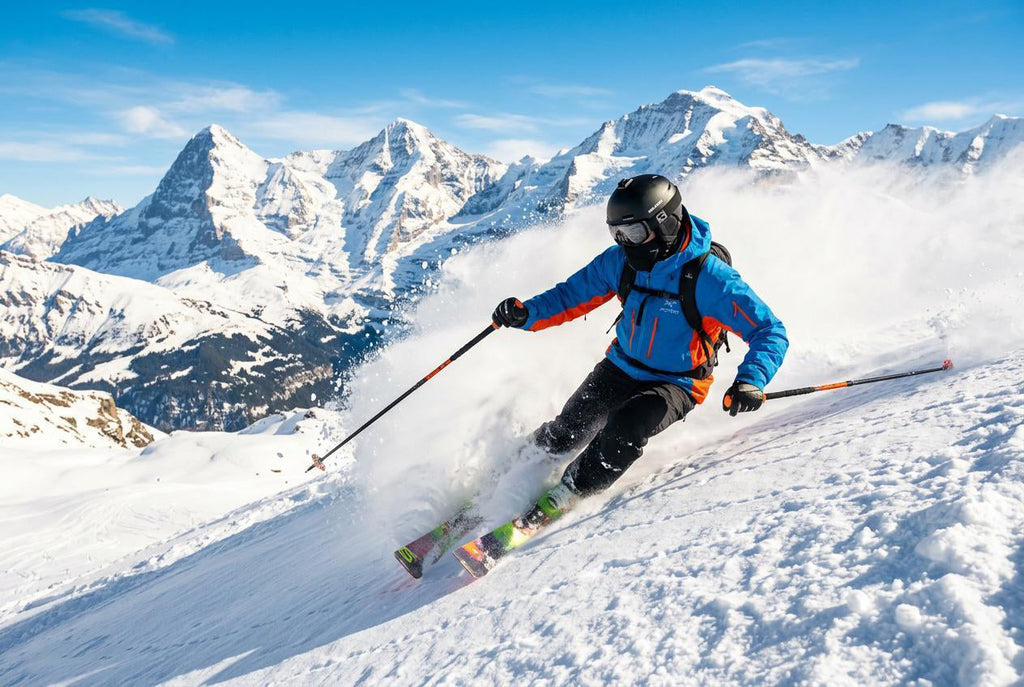
A cool ski mask is your best friend on spring slopes. The sun gets intense in March and April. Winter balaclavas trap too much heat. You need something lighter.
Spring skiing demands different face protection than mid-winter runs. Temperatures swing between 40°F and 60°F. Your face sweats under thick fleece. A lightweight option keeps you comfortable all day.
Finvizo 6-Pack Balaclava solves this problem. It breathes. It blocks UV rays. It fits under your helmet. Skiers often forget about spring sun exposure. Snow reflects up to 90% of sunlight. Your face burns fast at altitude. The right mask prevents that.
What is a lightweight ski mask?
A cool ski mask for spring skiing is thin and breathable. It uses moisture-wicking fabric. It dries fast. Standard winter balaclavas use thick fleece. That works great at 10°F. At 50°F, it overheats you quickly. Spring masks prioritize airflow over insulation. They protect against sun and wind. The best ones weigh under 3 ounces. You barely feel them on your face.
Balaclava vs. ski mask vs. neck gaiter: Which is best?

A balaclava covers your whole head and neck. It leaves only your eyes exposed. A ski mask covers the lower face. A neck gaiter is a tube you pull up. Each has pros and cons. Balaclavas stay put best under helmets. For spring skiing, a balaclava wins. It gives full coverage without the bulk. It blocks sun from every angle. The cool neck gaiter vs balaclava for skiing debate ends there.
Finvizo cool ski mask: Built for warm weather adventures
Finvizo built this cool ski mask for spring conditions. The fabric is ultra-thin. The mesh panels move air. The fit stays secure at speed. You get protection without the sauna effect. Here is what sets it apart.
Breathable mesh fabric & UV protection

The Finvizo balaclava uses quick-dry mesh panels. Air flows freely across your skin. Sweat evaporates fast. You stay dry on warm spring days. The fabric also delivers UV protection ski mask for spring conditions. It blocks harmful UVA and UVB rays. The American Academy of Dermatology recommends sun protection at altitude. Skin damage happens faster above 8,000 feet. This mask helps prevent that.
Thin design that fits under any helmet
Our thin ski mask that fits under helmet designs use flat-lock seams. There is zero bulk around your ears. The fabric stretches to conform. It never bunches up. It never rides up either. You put your helmet on normally. The mask stays in place on every run. No adjustments needed at the lift.
Real use cases: What to wear on face for spring skiing
Not sure what to wear on face for spring skiing? You are not alone. Many skiers overpack for April trips. A good spring mask replaces several items. It handles sun, wind, and sweat in one layer.
Spring skiing & snowboarding
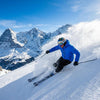
Spring UV glare off snow is brutal. Wind chill still bites in the morning. By afternoon, you are sweating. The Finvizo cool ski mask handles both. It breathes when you heat up. It shields when the wind picks up. The National Ski Areas Association lists sun safety as a top spring concern. A breathable face cover should be in every spring skier's pack.
Camping, hiking & high-altitude sun protection
This cool ski mask works beyond the slopes. Use it for spring hiking and cycling. It doubles as sun protection while fishing. A cooling face mask for skiing in the sun adapts to any outdoor sport. High-altitude campers love the packability. It fits in any pocket. You get full-face UV defense anywhere.
Buying guide: How to choose the best balaclava for spring snowboarding
Finding the best balaclava for spring snowboarding takes some thought. Not all balaclavas work for warm weather. Use this checklist before you buy.
5 things to look for
- Breathability — Look for mesh panels that allow airflow.
- UV protection — Choose UPF 30+ at minimum. UPF 50+ is ideal.
- Helmet compatibility — Thin fabric with flat seams works best.
- Moisture-wicking — Quick-dry fabric keeps sweat off your skin.
- Versatility — Multi-sport use means more value per dollar.
The best breathable balaclava for warm weather skiing hits all five points. Cheap masks skip mesh panels. They skip UV treatment too. Invest in quality. Your face will thank you. Explore our full balaclava collection to find your match.
FAQ: Your spring ski mask questions answered
Is a ski mask too hot for spring skiing?
Winter masks are too hot for spring. A spring balaclava uses thin mesh. It breathes. It wicks sweat. You stay cool at 50°F.
Can I wear a balaclava under my helmet?
Yes. A thin balaclava fits under any ski helmet. Look for flat seams and stretch fabric. It should not add bulk around your ears.
What's the difference between a balaclava and a neck gaiter?
A balaclava covers your full head and neck. A neck gaiter only covers the neck and lower face. Balaclavas stay put better under helmets.
Does a lightweight ski mask protect against UV?
Yes. Quality spring masks offer UPF 30 to UPF 50+ protection. Check the product specs. Sun at altitude is stronger than at sea level.
What material is best for a spring ski mask?
Polyester-spandex blends work best. They wick moisture. They dry fast. They stretch for a snug fit. Mesh panels add extra airflow.
Conclusion: Hit the slopes with right cool ski mask
Spring skiing is a blast. But your face needs the right protection.
A cool ski mask keeps you covered without overheating. Look for breathability、UV protection、helmet-ready fit、moisture-wicking fabric and multi-sport versatility. Finvizo checks every box. The lightweight design handles sun, wind, and sweat.
Ready to upgrade? Shop the Finvizo 6-pack balaclava today and hit the slopes in comfort.
)